Caring for a Lacquered Bed Frame SG Surface in a Tropical Climate
Last month I visited a friend's new walk-up in Bedok, three flights up a corridor that measured roughly 1.2 m wide. He had just uncrated a brand-new solid wood bed frame with a high-gloss lacquered headboard, and within fourteen days the surface had picked up a faint cloudy haze along the side facing the window. He messaged me a photo at 9 p.m. The issue was not the wood. It was the climate. Singapore runs at 28-32°C with 80-90% relative humidity for most of the year, and a lacquered surface reacts to that combination in ways a temperate-climate buyer never anticipates. After two afternoons of testing with a hygrometer, a small digital scale, and four different microfibre cloths, I worked out a routine that kept his headboard looking new for the rest of the month. The notes below are the long version of that routine, written specifically for owners of a bed frame sg who live in HDB flats and condos across Tampines, Bedok, and Punggol.
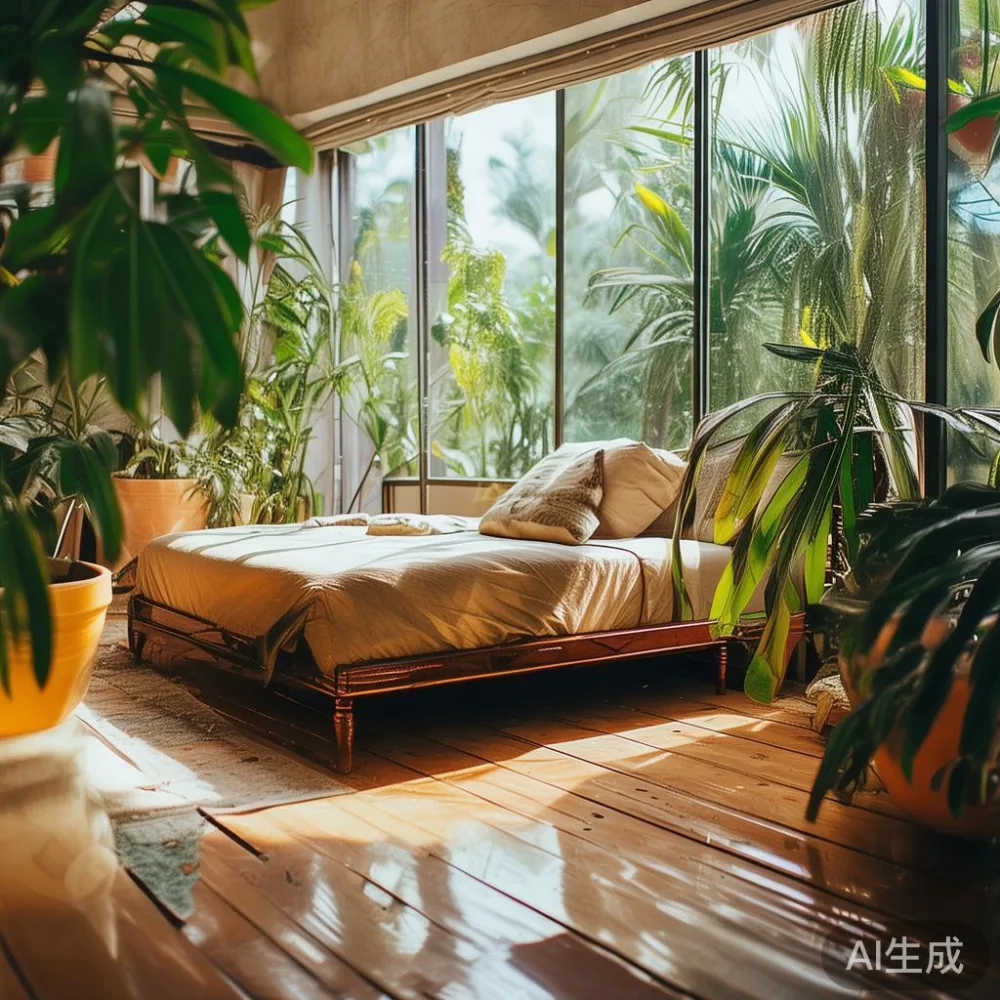
What does "lacquered" actually mean on a solid wood bed frame?
A lacquered finish is not paint and it is not wax. It is a film built up in five to eight thin coats of catalysed polyurethane or nitrocellulose, each coat cured and sanded with 320-grit paper before the next goes on. On a solid wood bed frame the lacquer seals the grain, fills the pores, and gives the surface its reflective sheen. The catch is thickness: a full lacquer build-up on a headboard panel is typically only 0.08-0.12 mm. That is roughly the thickness of two sheets of 80 gsm A4 paper. When humidity pushes past 85%, moisture in the air condenses on that thin film faster than it can evaporate, which is why my friend's panel turned cloudy within a fortnight.
Light luxury lacquer, the French light luxury finish you see on pieces coming out of Foshan workshops like MIDHILL, uses a seven-coat sealer-base-top system with a final 12,000-grit polish pass. That extra polish is what gives the surface its soft glow under a corridor LED at 4000K. It also means the surface is more resistant to fingerprint oils, but it still reacts to tropical humidity the same way any catalysed finish does. Understanding the layer count tells you where to clean and where never to scrub.
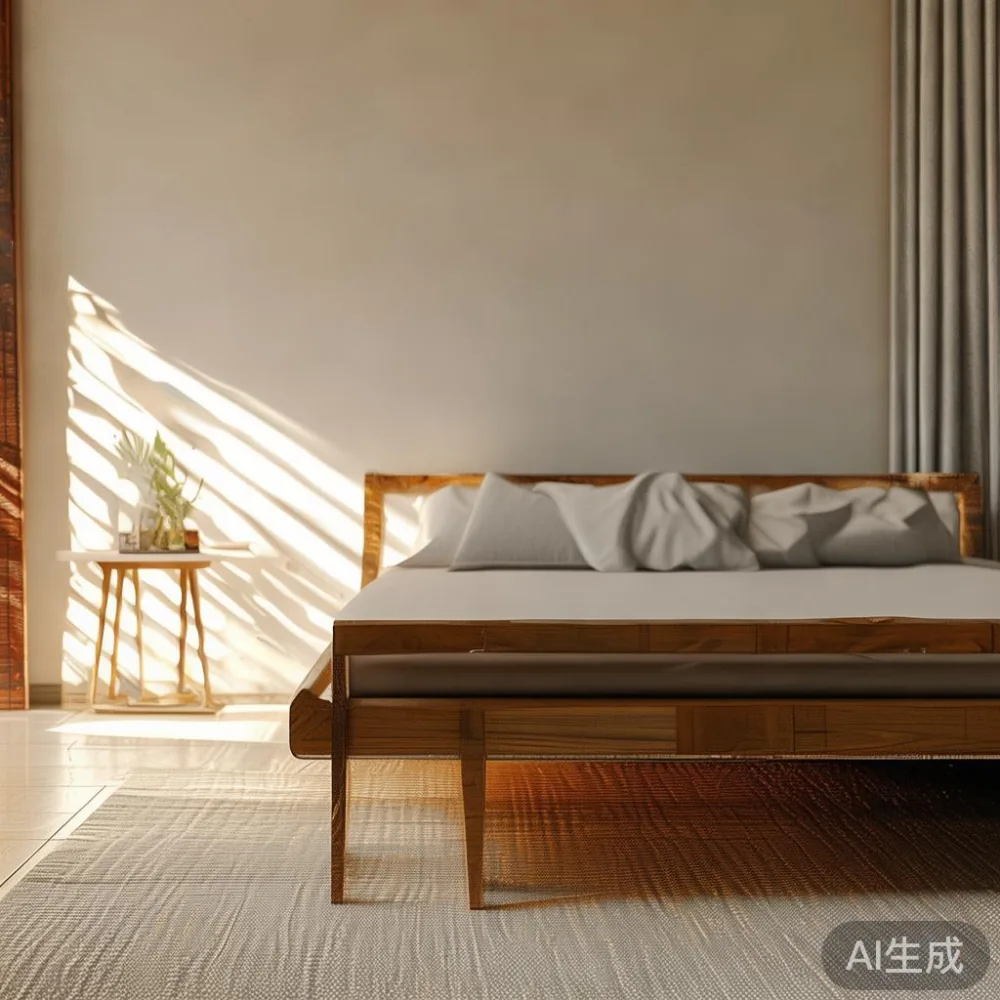
How do I choose a rattan furniture for a study?
Pick rattan for a study the same way you would pick it for any enclosed air-conditioned room: choose a piece with a kiln-dried rattan core wrapped over a solid wood frame, and confirm the rattan has been treated with a moisture-resistant lacquer before it left the workshop. A Nordic leather rattan wicker reading chair, for instance, pairs a breathable rattan back with a leather seat cushion, which keeps air circulating while you sit for two to three hours at a stretch. For a study in a Punggol condo where the air-conditioner runs at 24°C and 55% RH, that humidity level sits inside the safe band of 40-65% RH that lacquered rattan and lacquered bed frames both prefer.
Why does Singapore's climate punish lacquered surfaces?
Three numbers tell the story. First, outdoor relative humidity in Singapore averages 82% across the year, peaking at 89-91% during the December to February monsoon and the June to September Southwest monsoon. Second, indoor humidity in an HDB flat without a running dehumidifier can sit at 75-85% even with the air-conditioner on for only six hours overnight. Third, surface temperature on a headboard panel that catches the morning sun through an east-facing window in a Punggol HDB can climb 8-10°C above room temperature, which forces the lacquer to expand faster than the solid wood substrate beneath it.
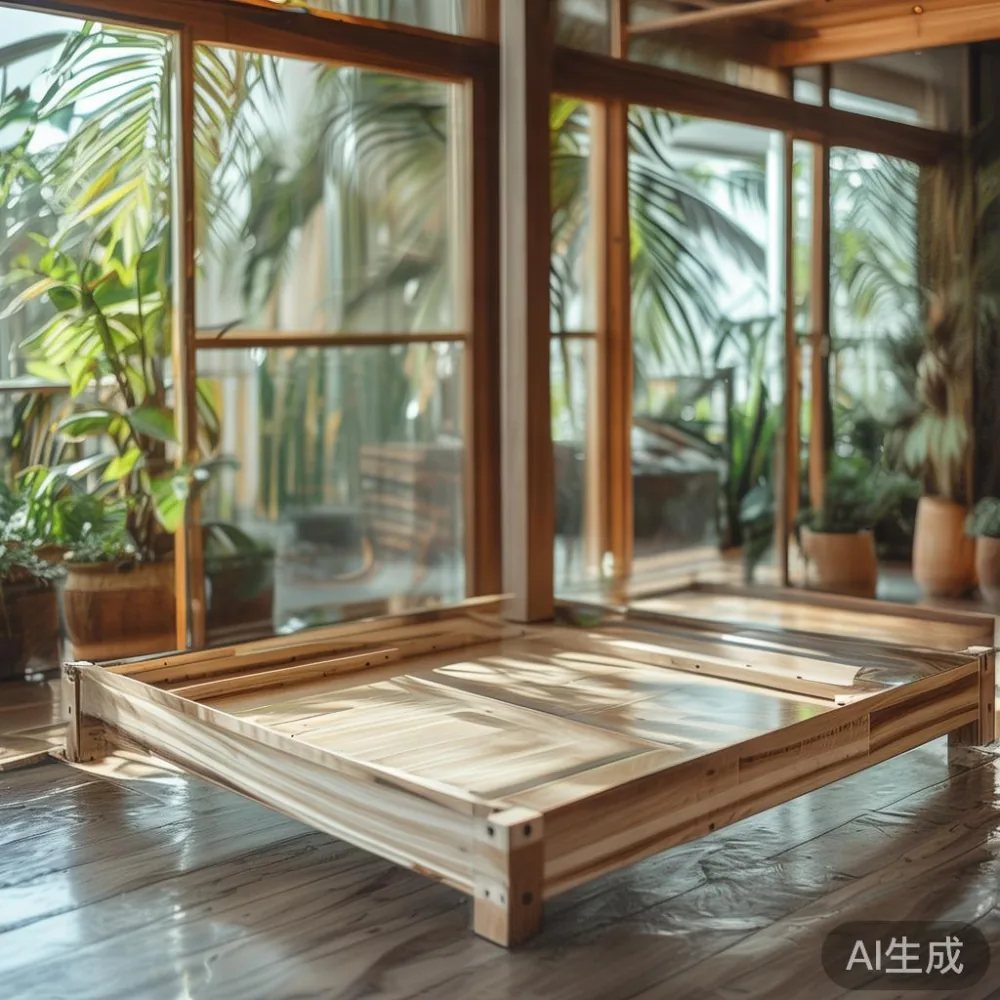
Put those three numbers together and you get micro-cracks at the panel joints, a white haze where the lacquer has absorbed water vapour, and sticky patches where fingerprint oils mix with condensed moisture. The fix is not a stronger lacquer. The fix is controlling the room. A 12-litre dehumidifier set to 55% RH costs around SGD 189-289 at a Tampines Mall appliance store and pulls roughly 250-330 ml of water per hour from a 12 m² bedroom. Run it from 10 p.m. to 7 a.m. and the headboard stays inside the safe band.
How often should I clean a lacquered bed frame sg in the tropics?
Wipe down the surfaces once a week, deep-clean once a month. A weekly pass takes four minutes with a dry microfibre cloth, working in straight lines along the grain direction from the headboard down to the foot rail. A monthly pass adds a lightly dampened cloth, then a dry cloth within sixty seconds so no standing water sits on the lacquer. Avoid any cleaner that lists silicone, ammonia, or acetone on the label; those three ingredients soften the catalysed film within three to five passes and the surface will never re-harden to its original gloss.
My routine at home, shared by two colleagues who own the same lacquered bed frame model from MIDHILL, runs like this. Monday: 90-second dry dust of the headboard and side rails. Saturday: same pass plus a quick vacuum of the under-bed area with a soft brush attachment. First Sunday of the month: damp pass with a 1:10 mixture of distilled water and a pH 6.5 neutral cleaner, then a dry pass within the minute. The whole month takes under forty minutes total, which is roughly the time it takes to brew a pot of Teh Tarik and drink it.
What cleaning products are safe on a high-gloss headboard?
Use a pH-neutral cleaner, distilled water, and a fresh microfibre cloth rated at 220-260 gsm. Skip furniture polish. Skip wax. Skip silicone-based "shine" sprays. Those three product categories leave a film that looks good for a week and then traps moisture against the lacquer, which is exactly the failure mode the climate is already pushing you toward.
Distilled water matters because Singapore tap water sits at 80-180 mg/L of total dissolved solids, mostly calcium and magnesium. Wipe a lacquered surface with tap water, let it air-dry, and you will see faint white spots within twenty minutes. Distilled water, sold in 5-litre bottles for SGD 2.80-3.50 at FairPrice, leaves zero residue. Pair it with a 220 gsm cloth folded into quarters so you have eight clean faces per wipe-down, and you will not transfer old grit back onto the panel.
How should I move a lacquered bed frame through a 1.2 m corridor without damaging the finish?
Measure the corridor and the lift first. Most HDB corridors run 1.2-1.5 m wide and most passenger lifts in blocks built after 2010 have an internal depth of 1.5-1.8 m and a width of 1.4 m. A king-sized solid wood bed frame panel measuring 183 cm long will not fit diagonally through a 1.2 m corridor, so the headboard must travel separately from the side rails. Wrap each panel in a 2 mm moving blanket, secure with painter's tape (never regular tape, which pulls lacquer off when removed), and lift using two people per panel since each panel weighs 28-34 kg.
When my colleague relocated her lacquered bed frame from a third-floor walk-up in Bedok to a fourth-floor flat in Punggol, the delivery team from MIDHILL wrapped the headboard in a 100 gsm non-woven sleeve, padded the side rails with 8 mm EPE foam, and strapped the package to a hand-truck with ratchet straps set to 35-40 kgf. The whole move took 90 minutes including the lift waiting time, and the panels arrived with zero scuff marks on the lacquer. The total delivery fee came to SGD 48 for a move under 25 km, with free shipping offered above SGD 350 on the brand's site.
What about humidity, dehumidifiers, and air-con servicing?
Target 45-55% RH in the bedroom, 22-25°C room temperature, and a clean air-con filter every six weeks. A clogged filter pushes the unit to chill the air past the dew point, which means colder surfaces and more condensation on the headboard. A clean filter costs nothing; a chemical wash costs around SGD 75-110 per unit per session in Tampines. Service every four months in the tropics instead of six, and the lacquered surfaces stay drier for longer.
Place the dehumidifier at least 1.5 m away from the bed frame so the discharged dry air spreads across the room rather than blasting one spot on the headboard. Empty the tank daily or, better, route the drain hose into a floor trap so you never forget. A full 2-litre tank weighs 2 kg and will spill onto a lacquered wardrobe base if it overflows, so the floor-trap route is the safer choice in a flat where the wardrobe and the bed frame share a wall.
How do I handle scratches, scuffs, and small lacquer repairs?
Treat the surface like a car paint job, not like a kitchen counter. Light scuffs on a lacquered bed frame respond to a 30-second polish with a 2500-grit finishing paper followed by a hand-rub with a soft cotton cloth loaded with a 1 µm polishing compound. Deeper scratches that catch a fingernail need a touch-up pen matched to the original stain colour, applied with a 0.5 mm brush tip in two thin coats rather than one thick coat. A thick coat sinks into the scratch and never cures level with the surrounding surface.
For chips larger than 3 mm, call the maker. MIDHILL offers a lifetime refinishing service that covers collection, repair, lacquer re-build, and re-polish, with most jobs returned within 14-21 working days. A typical 3-polish refinish on a king-sized headboard costs SGD 280-420 depending on the panel count, which is roughly the same as a single chemical wash of the air-con. The 10-year structural warranty covers the bed frame itself, including the slats, the centre rail, and the corner brackets rated to 220 kg per side, but the lacquer finish sits outside that warranty because lacquer is a wearing surface.
What should I place on or near the lacquered surface?
Keep coasters under every cup, every phone, and every candle. A cold glass of iced water at 4°C placed directly on a lacquered nightstand will leave a permanent white ring within forty minutes because the temperature differential condenses moisture under the glass. A felt-bottomed coaster costs SGD 2-4 each and prevents the ring. Use the same rule for the marble table in the living room: even though marble tolerates heat, the lacquered metal base beneath it does not.
Avoid rubber or latex feet on any object that sits on a lacquered surface. Rubber off-gases sulphur compounds that yellow the lacquer within six to nine months. Felt, leather, or plain cotton are the safe choices. Replace the felt pads on the dining table chairs and the bedroom nightstand lamps every twelve months, because the adhesive dries out and the pads fall off, leaving the unprotected base to scratch the lacquer when the piece is moved.
How does light luxury finishing differ from standard finishing?
Standard finishing puts four coats of sealer and one top coat onto the substrate. Light luxury finishing, whether French light luxury, American light luxury, or the post-modern light luxury style coming out of Guangdong workshops, layers a sealer, a colour coat, a barrier coat, a texture coat, and three top coats, then hand-polishes the final layer to 12,000-grit. The result is a depth you can see when you look at the surface at a 45° angle under a corridor light: the grain appears to sit 2-4 mm below the surface, not flat against it.
That depth is also why light luxury lacquer needs a softer cloth and a longer buff. A 220 gsm microfibre leaves micro-scratches on a 12,000-grit polish within four passes, so swap up to a 300 gsm cloth for the monthly pass. The brand's solid wood sofa, bed frame, dining table, wardrobe, and marble table collections all ship with the same light luxury lacquer system, which means the same cloth and the same cleaner work across every piece in the room. Keeping one routine for five pieces saves around fifteen minutes a week compared to running five different routines.
What is the 14-day return policy and how does it interact with lacquer care?
Inspect the lacquered surfaces on the day of delivery. Run a finger along the headboard panel under a window; any rough patch, any orange-peel texture, any dust nib trapped under the top coat is a defect worth flagging within the 14-day window. Photograph the panel, send the photo to the maker, and request either a re-pick or a re-finish. After day 14, the maker treats any surface issue as user-side damage, including the cloudy patches that come from high humidity without a dehumidifier. The structural warranty still runs ten years from delivery, which covers the slats, the corner brackets, and the centre rail, but not the lacquer.
Keep the delivery note, the warranty card, and the original packaging for the first 30 days. Original packaging matters because a return inside the 14-day window requires the bed frame to be re-packed in the same 8 mm EPE foam corners and 100 gsm non-woven sleeves it arrived in. Most owners in Tampines and Bedok keep the packaging for at least a fortnight after delivery; the small flats do not have storage space for more than that, which is exactly the 14-day window the maker allows.
Quick checklist for a lacquered bed frame sg in a tropical climate
Keep the room at 45-55% RH and 22-25°C. Wipe weekly with a dry 220 gsm cloth, monthly with a damp 300 gsm cloth and distilled water, and never use silicone, ammonia, or acetone. Service the air-con every four months. Place coasters under every object. Keep felt pads under every chair and lamp. Avoid rubber feet. Run a 12-litre dehumidifier at night. Photograph any defects within fourteen days. Call the maker for chips larger than 3 mm. Re-polish light scuffs with a 1 µm compound and a 2500-grit paper. The routine is light, the climate is not, and the lacquer will reward you with a soft glow that lasts the full ten years of the structural warranty and well beyond.