Furnishing Wisdom: Long-Term Value in Singapore's Furnishing
Living in Singapore requires practical decisions regarding home furnishings, especially within the confines of Housing Development Board flats and private condominiums. Residents in areas like Tampines, Bedok, and Punggol often face limited space and strict renovation guidelines. When selecting furniture, many homeowners focus solely on the sticker price displayed during sales events. This initial expenditure rarely reflects the true financial commitment over a five-year period. A low-cost item purchased today might require replacement sooner due to wear, moisture exposure, or structural failure. Conversely, higher-quality materials often retain their appearance and functionality much longer. This analysis examines the financial and practical differences between veneer constructions and genuine solid wood pieces, specifically focusing on the bed frame and related bedroom components.

Initial Expenditure and Hidden Costs
The most immediate difference lies in the purchase price. A basic engineered wood bed frame available from mass-market retailers might cost between SGD $800 and SGD $1,200 before the Goods and Services Tax. These units often utilize particle board wrapped in thin veneer sheets. While visually appealing from a distance, the material composition is fragile compared to timber. On the other hand, a solid wood bed frame constructed from oak or ash typically ranges from SGD $2,500 to SGD $4,000 in the local market. This price includes materials that are cut from actual tree trunks rather than compressed sawdust. Many buyers hesitate at this gap, assuming the cheaper option saves significant money. However, one must calculate the added GST of 9%, which increases every transaction amount.
Beyond the listed price, assembly costs differ. Engineered wood parts arrive in flat packs requiring specific tools. If a screw strip out occurs during assembly, the particle board often crumbles, ruining the joint. Solid wood allows for re-drilling and adjustment. A solid wood sofa or dining table follows similar logic. When purchasing a set including a nightstand and wardrobe, the upfront sum is higher. Yet, the stability provided by solid timber supports heavier mattresses and frequent movement without loosening screws over time. For a family planning to stay in their current unit for at least five years, the initial outlay for solid timber spreads out over a longer duration, lowering the annual cost.
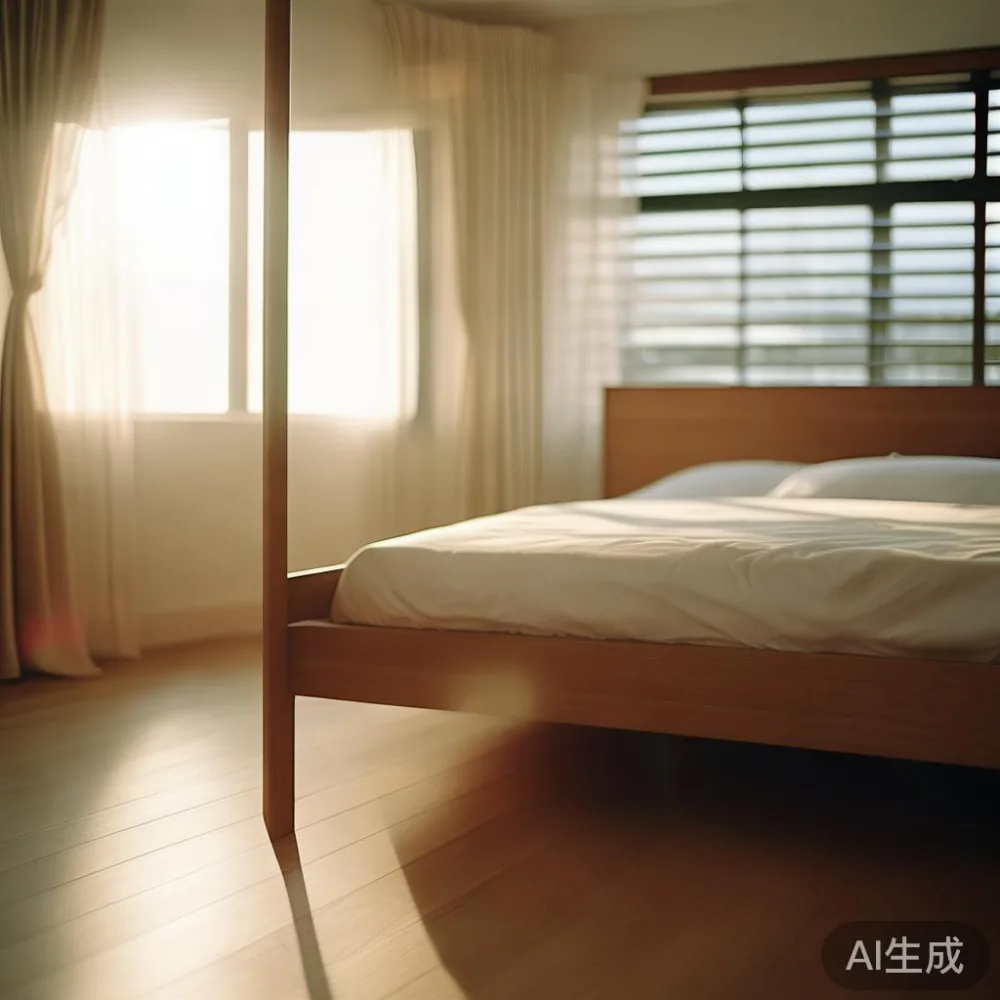
Maintenance Expenses and Damage Repair
Humidity levels in Singapore fluctuate frequently, affecting how furniture ages. Veneer surfaces are susceptible to peeling when exposed to high moisture or cleaning agents containing harsh chemicals. A spilled drink left unattended on a veneer nightstand can cause the top layer to bubble permanently. Replacing this surface requires professional intervention. Last month I visited a client unit in Punggol to assess some furniture damage. The couple had purchased a budget-friendly wardrobe two years prior. Upon opening the doors, several panels showed warping due to air-conditioning condensation running down the internal walls. Repairing individual veneer planks cost approximately SGD $150 per panel. The entire project exceeded SGD $600, nearly matching the original purchase price of the lower-tier item.
In contrast, solid wood responds to humidity changes differently. It expands and contracts but maintains structural integrity. Scratches on a solid wood surface can be sanded down and refinished. This service restores the piece to its original condition. Many premium suppliers offer lifetime refinishing guarantees for such items. Consider the maintenance of a marble table versus a wooden counterpart. While stone is durable against heat, wood tolerates daily contact better if properly cared for. Over a five-year timeline, owning a solid wood bed frame involves zero major repair bills. You simply wipe it down and occasionally apply wax. This contrasts sharply with the recurring costs of replacing veneer furniture damaged by environmental factors common in our tropical climate.
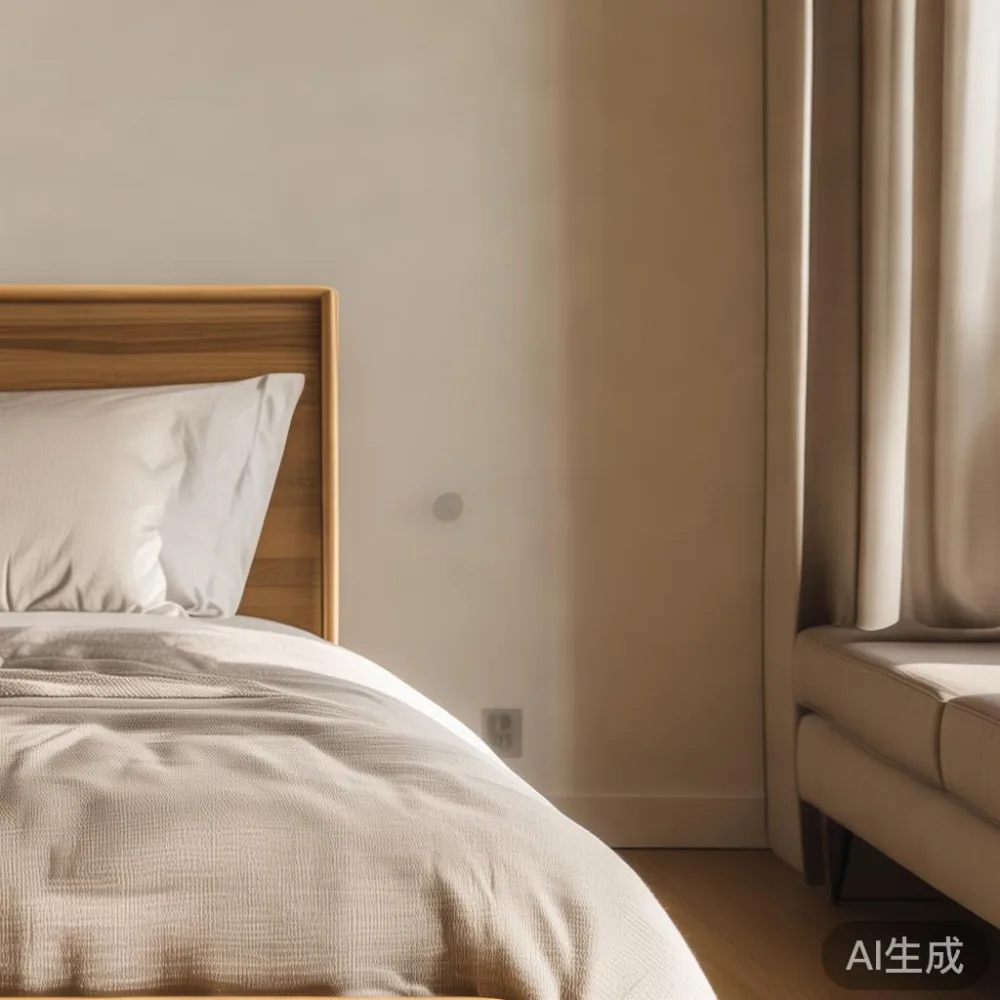
Is Modern light luxury loveseat furniture worth it?
Yes, provided it utilizes solid hardwood frames rather than hollow engineered cores. When discussing seating alongside sleeping arrangements, material consistency matters across the room. A modern light luxury design often features clean lines and polished finishes. If the underlying structure is cheap composite wood, the legs may snap under weight after 24 months of daily use. A sturdy construction ensures longevity regardless of the aesthetic trend. This principle applies equally to a solid wood sofa placed next to a dining table. Investing in high-grade timber prevents premature failure. Homeowners in larger condominiums often mix styles, such as pairing a post-modern light luxury console with a traditional bed frame. Ensuring both share the same quality standard avoids the visual mismatch of a worn-out chair beside a pristine mattress foundation.
The decision to spend more on these items protects against the cycle of frequent replacement. Budget pieces frequently lack reinforcement at stress points. Solid timber joints, such as mortise and tenon connections, distribute load effectively. This reduces squeaking and wobbling that often plague cheaper options within the first year. Therefore, the investment pays off through sustained comfort and reduced noise pollution. Whether you choose an American light luxury style or a classic design, the substrate determines the lifespan. A French neoclassical wardrobe for HDB flat spaces benefits greatly from solid joinery to prevent drawers from jamming due to expansion. Always verify the grain continuity to confirm genuine material usage before signing any contract.
Logistics Constraints in Residential Towers
Delivery logistics in Singapore present unique challenges that impact furniture choices. Most HDB lifts measure approximately 120cm by 140cm internally. Corridors leading to units are often narrow, typically around 110cm wide. A bulky solid wood bed frame might require disassembly into smaller sections to work through these tight spaces. Larger sectional sofas or oversized marble tables face similar hurdles. Manufacturers account for these dimensions during production. Some vendors refuse entry into units where dimensions do not match their cart specifications. I recently coordinated a delivery to a Bedok residence where the team had to maneuver a heavy headboard sideways down a flight of stairs because the lift door was too shallow for the full frame depth.
Solid wood pieces weigh significantly more than their veneer counterparts. A standard king-size bed frame made of oak can exceed 80kg. Particle board versions might weigh only 40kg. While lighter items seem easier to move, the increased density of solid wood indicates superior strength and stability during earthquakes or sudden movements. Shipping fees often vary by weight class. Free shipping thresholds are common, such as orders exceeding USD $350 equivalent. For local buyers, this usually translates to SGD $500 depending on exchange rates. Companies offering free delivery often consolidate shipments to minimize trips. Planning the arrival date is critical. Delays in moving day can disrupt schedules. Most providers offer a three-hour window for drop-offs. Confirming the pathway clear of debris is mandatory before the delivery team arrives at the gate.
Warranty Coverage and Long-Term Security
Warranty terms define the relationship between buyer and seller after the transaction closes. Cheap furniture rarely comes with comprehensive coverage. A broken leg on a budget dresser often results in a void claim. Established firms provide structured protection plans. For instance, a reputable manufacturer might offer a 10-year structural warranty covering defects in joinery and load-bearing capacity. Some even promise lifetime refinishing services to address surface scratches or minor stains. This support network adds tangible value to the initial price paid. Customers at companies like MIDHILL benefit from such policies, ensuring peace of mind for long-term residents. Knowing that a piece is backed by a decade of guarantee signals confidence in the manufacturing process.
Resale value remains another factor influencing total cost of ownership. Well-maintained solid wood retains demand in the second-hand market. People actively seek vintage oak or walnut tables, chairs, and sleeping solutions. Veneer items seldom hold value, often viewed as disposable once they show signs of wear. Selling a five-year-old solid wood dining table might recoup 40% to 60% of the original cost. In contrast, particle board units are difficult to sell. They occupy storage space or end up in disposal trucks incurring removal fees. Considering the total lifecycle, the solid wood option proves less expensive. Even accounting for the higher starting point, the combination of durability, resale potential, and warranty support tips the scale decisively toward genuine timber. Whether furnishing a single studio or a spacious penthouse, the choice defines the quality of daily living for years to come.
Ultimately, calculating the cost per use reveals the true winner. Spreading the price over ten years of usage lowers the daily expense significantly. A solid wood nightstand supporting lamps and books daily represents a stable foundation for relaxation. It withstands the weight of nightly routines without degradation. Couples renovating their bedrooms should view the bed frame as a central anchor. Surrounding it with compatible pieces like a wardrobe or sofa enhances the cohesive look. French light luxury elements blend well with American light luxury touches if the base materials align. Consistency in texture and finish creates harmony throughout the space. Prioritizing quality materials ensures that your home evolves gracefully rather than deteriorating under pressure. Make informed choices based on data, not just temporary discounts offered by retailers.