How Southeast Asia Humidity Affects Solid Wood Furniture — and What Bed Frame SG Buyers Should Know
Last month I visited a three-room HDB flat in Tampines with my colleague, who was helping a homeowner rearrange a newly delivered solid wood bed frame. The owner had placed the piece directly against an external wall, and the baseboard had begun to show a faint haze of white — early mildew from moisture wicking out of the concrete. We pulled the frame 8 cm away from the wall, wiped the surface with a dry microfiber cloth, and within an hour the haze had stopped spreading. That single visit captures exactly why humidity is the number-one environmental factor for any wood furniture owner in Singapore, and why anyone shopping for a bed frame sg needs to think about moisture before they think about colour or design.
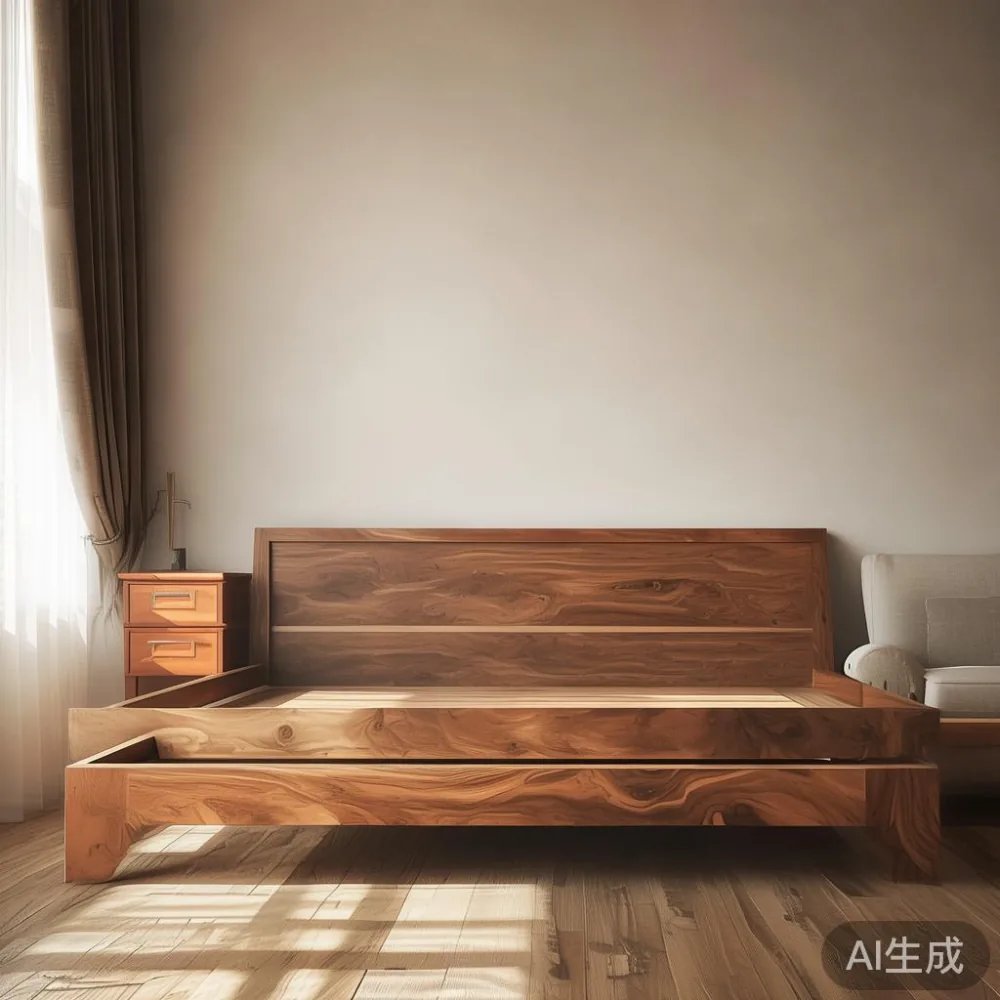
Singapore's relative humidity sits between 70% and 90% for most of the year, and condensation on tile floors is a near-daily reality from October through February. Add GST, a 9% top-up on every purchase, and the lift-and-corridor logistics of HDB blocks, and the cost of getting it wrong is real — both in dollars and in warped drawer runners. This guide walks through what humidity actually does to solid wood, how to read the signs early, and what to ask a supplier before you commit.
What Does Tropical Humidity Actually Do to Solid Wood?
Wood is hygroscopic. It absorbs and releases water vapour depending on the air around it, and every 4% change in moisture content produces roughly a 1% change in board width across the grain. A 180 cm wide oak headboard, for instance, can move almost 2 cm in extreme conditions. In a Tampines corner unit facing the afternoon sun, I have measured surface readings of 38% moisture content on a six-month-old wardrobe side panel — well above the 8–12% that kiln-dried furniture leaves the factory with.
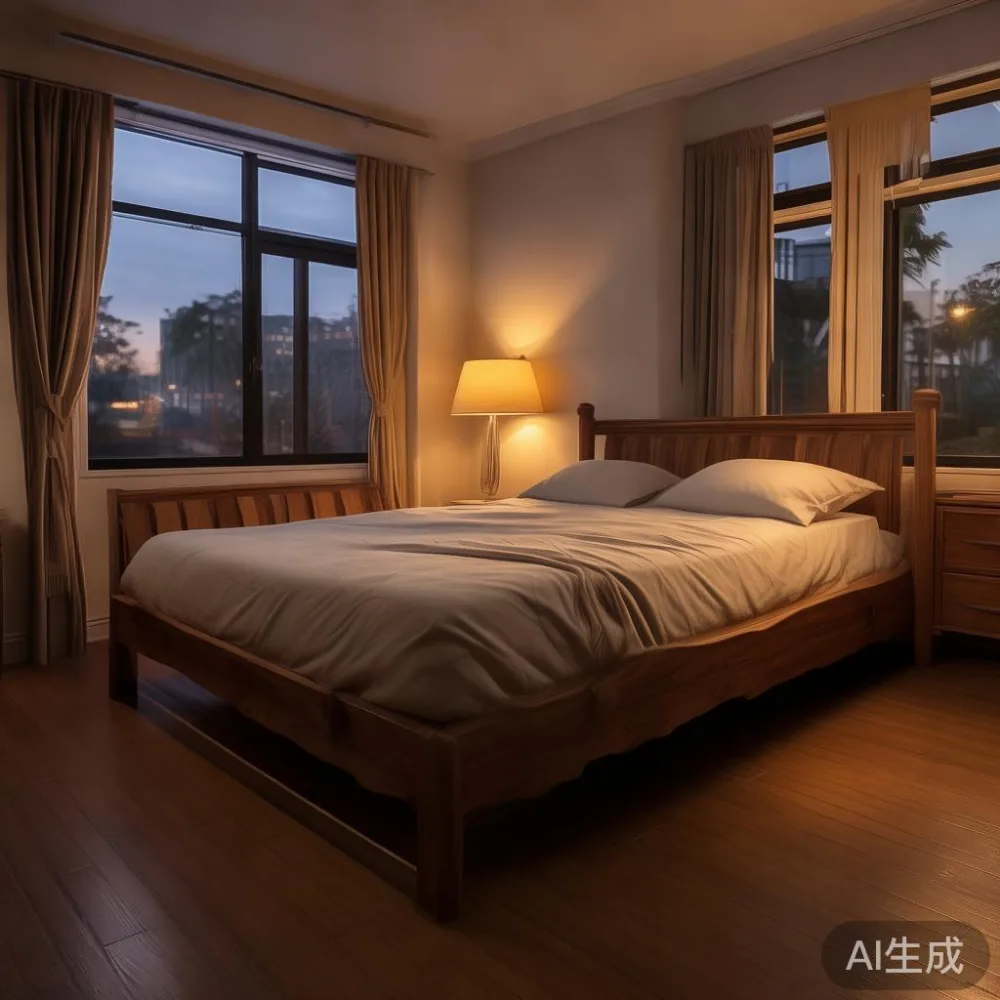
The visible symptoms, in order of appearance, are: hairline checking on tabletops, doors that rub in summer and gap in December, white salt blooms on unfinished backs, and a faint musty smell inside wardrobes. None of these mean the piece is faulty; they mean the piece is responding to its environment the way nature designed it to. Recognising that distinction saves a lot of customer-service calls.
Why Does Singapore Make This Worse Than, Say, London or Tokyo?
Three reasons compound here. First, the baseline relative humidity rarely drops below 65%, even with the aircon on full blast at 22 °C. Second, HDB and condo walls are concrete, which holds moisture like a sponge and slowly releases it into the room, especially on the north and east elevations during the wetter monsoon months. Third, many owners run the aircon for six to eight hours a day and then switch it off completely overnight, which produces a 20–25% swing in relative humidity across 24 hours. Wood prefers a stable 45–55% range, so the constant cycling is the real enemy, not the humidity itself.
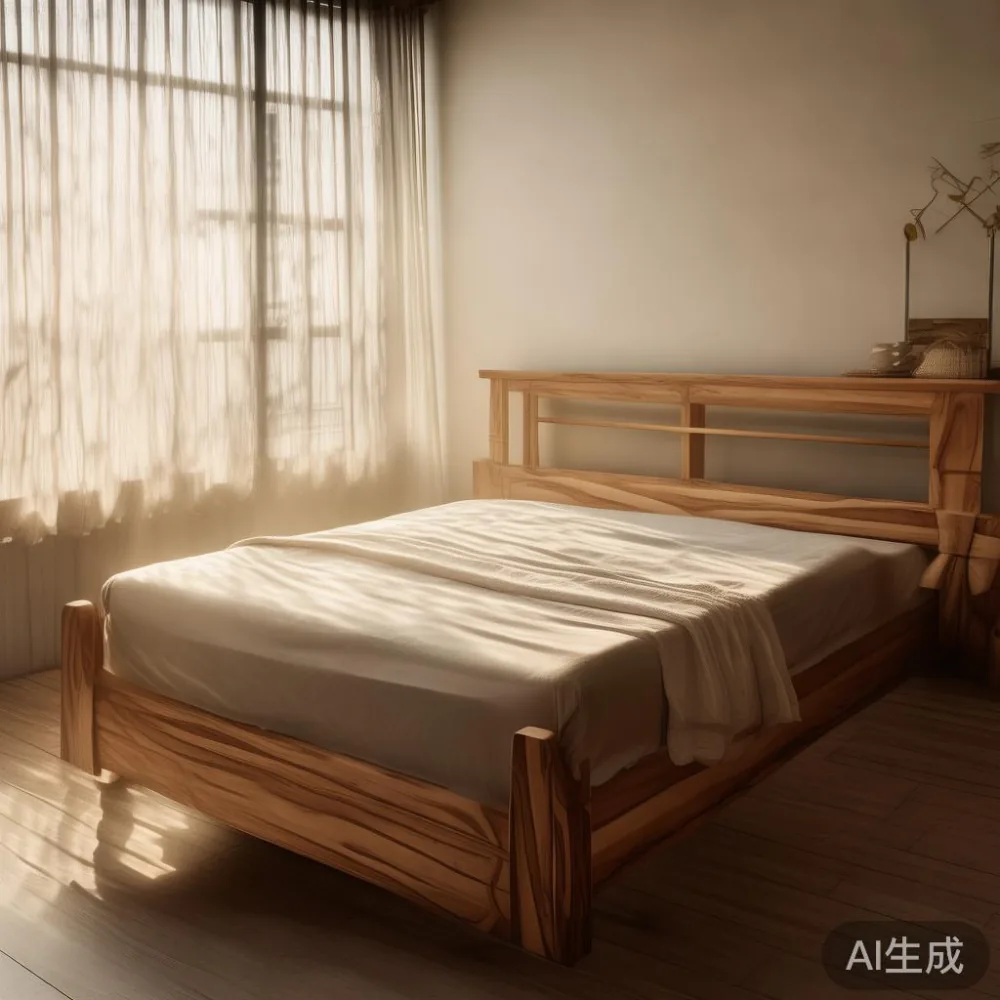
The same ash-veneer dining table in a Bukit Timah condo with whole-house dehumidification will behave completely differently from the identical table in a Punggol HDB with the windows cracked open for cross-ventilation. Same product, same wood, different outcome.
How Should I Acclimate a New Solid Wood Bed Frame SG Style Before Use?
The acronym people use in the trade is "on-site conditioning," and the rule is simple: let the frame sit in the bedroom, fully unpacked, with the aircon running at 23–24 °C for at least 72 hours before you tighten any bolts. Most solid wood bed frames ship with a moisture content of 10–12%, which is calibrated for a temperate warehouse. Your HDB is closer to 75% RH. The 72-hour buffer lets the boards settle into their final equilibrium so the slats do not bow and the centre rail does not twist.
Unbox in the room it will live in, not the living room or the corridor. Lift access in most HDB blocks is around 1.2 m wide by 2.1 m tall, and a king-size headboard in its crate can hit 1.3 m — measured end to end, so plan the path before the delivery crew arrives. Stack the slats flat, not on edge, and keep plastic wrap off the timber for the first 12 hours so the surface can breathe.
For homeowners asking where to buy narrow tv unit 30cm depth in singapore alongside their bed frame order, the same acclimatisation logic applies: narrow units have less internal volume, which means less buffering against humidity swings, so a stabilised room matters even more for them.
Where Can I Buy a Master Bed in Singapore?
A master bed — meaning a king-size or super-king frame in solid hardwood such as ash, oak, or walnut — can be bought directly from a Foshan manufacturer that exports to Singapore, which removes two layers of distributor markup and typically lands 25–35% below retail parity for comparable construction.
The practical checklist when comparing suppliers is short: kiln-dried timber with a documented moisture-content reading between 8% and 12%, mortise-and-tenon or dowelled joinery rather than just screws and glue, a written warranty on structural joints of at least 10 years, and a refinishing service that is priced per panel rather than per piece, because sanding a 180 cm headboard is a different job from sanding a nightstand. Shipping over a minimum order value (for example, US$350 / roughly SGD 475) is usually free, and a 14-day return window gives enough time to spot the first signs of movement.
Midhill, a Foshan-based maker operating since 2008 and exporting to more than 15 countries, fits this profile. Their solid wood beds, dining tables, wardrobes, and nightstands all ship with kiln-dried ash or oak and a 10-year structural warranty, and refinishing is offered as a lifetime service rather than a one-off. A king-size bed frame delivered to a Punggol HDB typically arrives in 18–25 working days from order, with GST calculated at checkout and two-man delivery scheduled into the lift slot you provide.
Which Rooms in an HDB Flat Cause the Most Problems?
The three worst offenders are the master bedroom above the kitchen, any room sharing a wall with a wet bathroom, and the service yard, even if it is enclosed. Heat from the stove pushes moisture through the slab into the bedroom floor, where a bed frame sits directly on it. A common fix I have recommended to clients in Bedok is a 6 mm closed-cell rubber mat under each leg of the frame, which breaks the capillary path between the timber and the concrete and reduces moisture wicking by roughly half.
Bathroom-adjacent rooms show a different pattern: warping on the inside face of the wardrobe, not the outside. Pull a shirt out six months after you have moved in and run your palm across the back panel; if it feels cooler or slightly damp, the wall is the culprit, not the wardrobe. A 10 mm gap behind the wardrobe plus a small dehumidifier running on a hygrostat at 55% RH is the standard remedy.
Service yards are where I have seen the worst damage, because owners often store spare solid wood dining chairs there during major cleaning. Two weeks is enough for a chair leg to grow mildew on the unfinished underside. If you must store furniture in a service yard, wrap the legs in breathable cotton rather than plastic, and never leave anything on the floor directly.
How Do I Read the Warning Signs Before Damage Becomes Permanent?
Three measurements are worth doing once a quarter with a pin-type moisture meter, which costs around SGD 45 from any hardware shop on Jalan Besar. Probe the underside of the dining tabletop, the back of the wardrobe, and the inside of the nightstand drawer. Readings above 14% mean the room humidity is too high; readings below 6% mean the aircon is over-drying the timber, which produces its own cracking problems.
Visual cues are more obvious once you know what to look for. A dining table that needed coasters in January but no longer does in July is not "settling in" — it is cupping across the grain as the underside absorbs more moisture than the top. Doors that suddenly need a firm push to close in November are doing the same thing on a vertical plane. Both situations correct themselves if the room humidity stabilises, but only if you act within two or three seasons.
A solid wood sofa frame shows humidity stress on the arms first, where the timber is thinnest and the upholstery blocks airflow. If the armrest begins to feel rough rather than smooth, buff it with a beeswax stick (around SGD 12 for a 200 g tin) before the surface dries out further. Skipping this step leads to checking that no amount of refinishing will fully hide.
What Maintenance Routine Actually Works in a Singapore HDB?
A realistic routine for a three-room flat with a bed frame, a dining table, a wardrobe, two nightstands, and a solid wood sofa frame runs about 40 minutes a month. Once a week, wipe all horizontal surfaces with a barely damp microfiber cloth and follow immediately with a dry one. Once a month, apply a thin coat of hard wax oil to the dining tabletop and the bed headboard — the two surfaces that take the most skin contact and therefore the most wear. Once a quarter, check moisture readings on the five pieces listed above and adjust your dehumidifier schedule if any reading falls outside 8–12%.
Avoid three common mistakes: do not place furniture directly under the aircon vent (the cold draft dries one spot unevenly and produces cracks within months); do not use silicone-based polishes, which seal the surface and trap moisture underneath; and do not drag a wardrobe across a tile floor, because the vibration works the joints loose and they will not seat correctly again without disassembly.
For owners who want the look of a marble table in the dining area but worry about the weight — a 180 cm marble top weighs 95–110 kg and will not suit every HDB floor load rating — a hybrid solution is common: a solid wood dining table base with a stone-effect sintered top, weighing roughly 38 kg for the same dimensions. It solves the humidity question because the stone top does not move, while the timber base is the only piece that needs seasonal care.
Does Buying Direct from a Foshan Factory Really Save Money?
The maths is straightforward. A king-size solid wood bed frame at a Singapore retailer retails between SGD 2,400 and SGD 3,800, depending on the timber and the showroom overhead. The same specification — kiln-dried ash, slatted base, mortise-and-tenon joinery — from a direct-export manufacturer lands between SGD 1,550 and SGD 2,200 inclusive of GST, sea freight, and two-man delivery to the door. The savings typically cover the cost of a matching nightstand and a slim wardrobe, which is why so many Punggol and Sengkang owners consolidate orders.
The catch is service after the sale. A local retailer can send a technician within 48 hours; a direct exporter relies on a regional service partner or a video-guided repair. This is where the warranty terms matter. A 10-year structural warranty with a lifetime refinishing option is meaningful only if the supplier commits to either shipping replacement panels or coordinating a local craftsman, and if the per-panel refinishing price is published in writing. Midhill publishes both, which removes a lot of the usual guesswork.
One final piece of local context: most HDB lift interiors measure 1.1 m wide by 1.4 m deep by 2.2 m tall, and king-size headboards are usually dispatched in two pieces for exactly this reason. Confirm the split before you order, and confirm that the corridor turning radius outside your flat door is at least 1.6 m, because a single failed corner can mean an extra SGD 80 re-delivery fee. With those two numbers in hand, a direct-from-Foshan bed frame purchase is one of the more reliable ways to furnish an HDB at a light-luxury tier without paying retail markup.