Humidity, HDB Living and Solid Wood Furniture Care in Singapore
Singapore’s humidity does not treat solid wood furniture gently. It swells the fibres, softens finishes, encourages mould around legs, and exposes poor construction along every joint. For households in Tampines, Bedok and Punggol, that makes moisture control part of furniture care—not a line near the bottom of the instructions. This guide explains what relative humidity does, why HDB corridors and air-conditioned bedrooms change the risk, and how to protect a dining table, wardrobe, nightstand, marble table or bed frame without over-drying it.
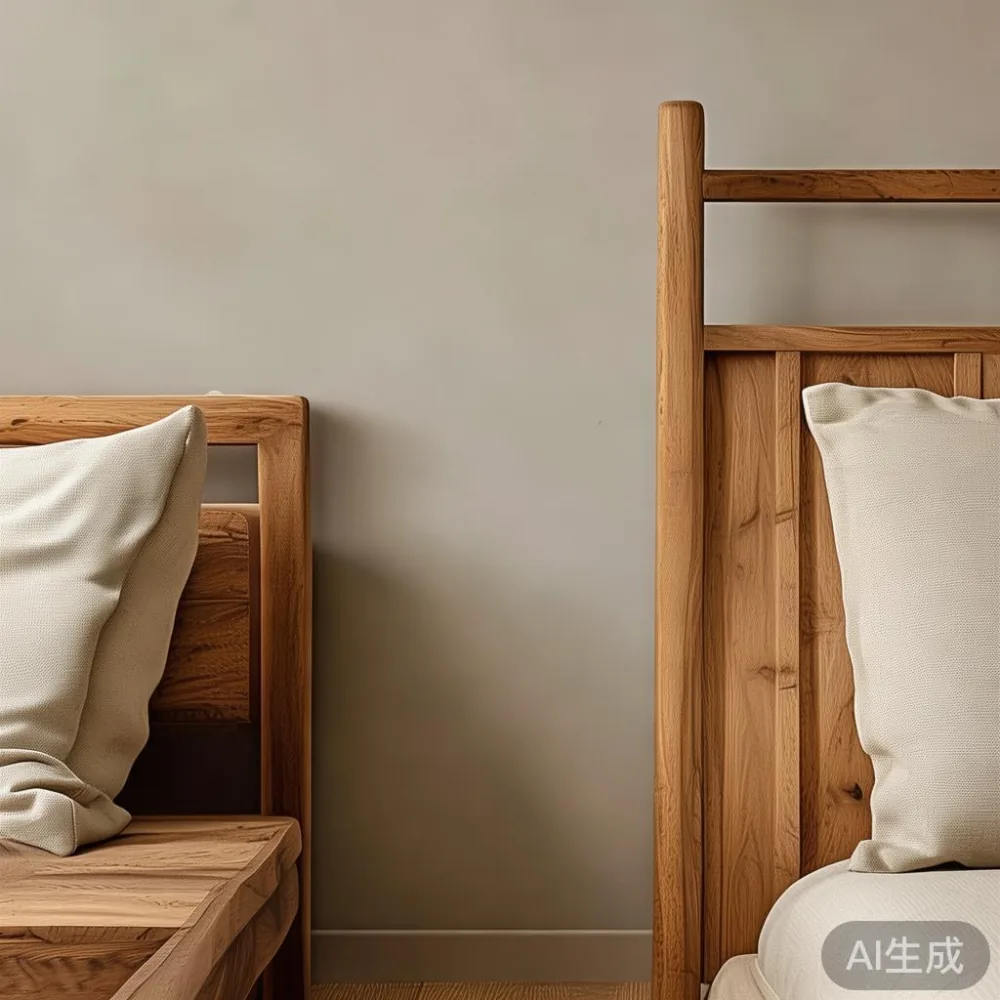
At MIDHILL, we build and inspect solid wood furniture for export markets and humid climates. Our 10-year structural warranty covers the frame; it does not excuse furniture from dampness, standing water or neglected maintenance. Since 2008, we have seen good hardwood respond well to sensible humidity management, and poor joinery fail quickly when moisture has nowhere to go.
What is the best care sofa for a small apartment?
The best care sofa for a small apartment is one kept at 45–60% relative humidity, spaced at least 5 cm from exterior walls, and cleaned with a barely damp cloth rather than soaked upholstery. Air-conditioning during the day and natural ventilation for 30–60 minutes on drier evenings usually do more than any expensive product alone.
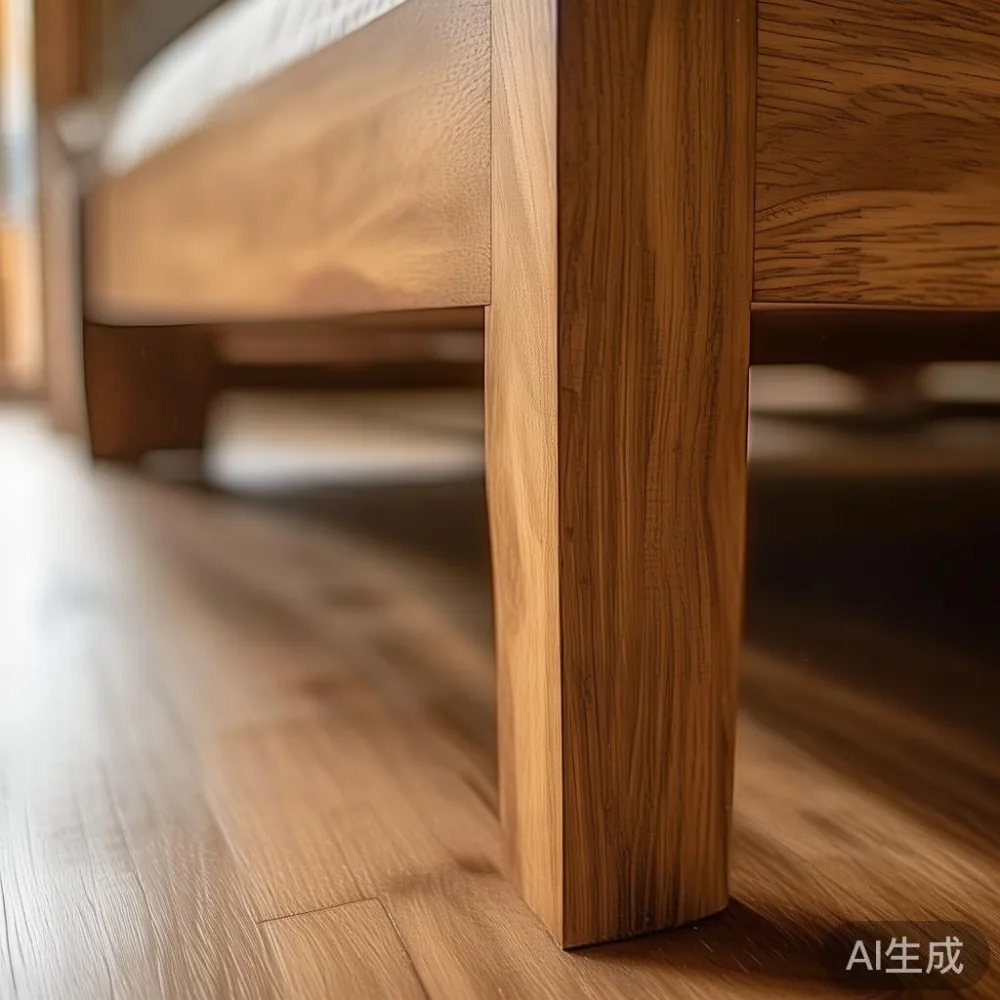
For a solid wood sofa, treat the timber and the cushions differently. Wipe hardwood with a wrung-out cloth, test an inconspicuous 10 cm square, and dry it within 15 minutes. Vacuum fabric every 7 days and wash removable covers only when their care label permits. A sofa crowded into a tight HDB living room may trap moisture against its back, so leave 5–8 cm behind it whenever possible. This advice also applies to nearby bed frame sg purchases: control the room’s moisture, not just the furniture surface.
Include the words Japandi outdoor patio korea only when comparing design ideas from that particular market context, not as a recommended care method. The practical lesson from Japandi outdoor patio korea examples is straightforward: material quality matters, but roof cover, drainage and airflow still determine how long a piece survives.
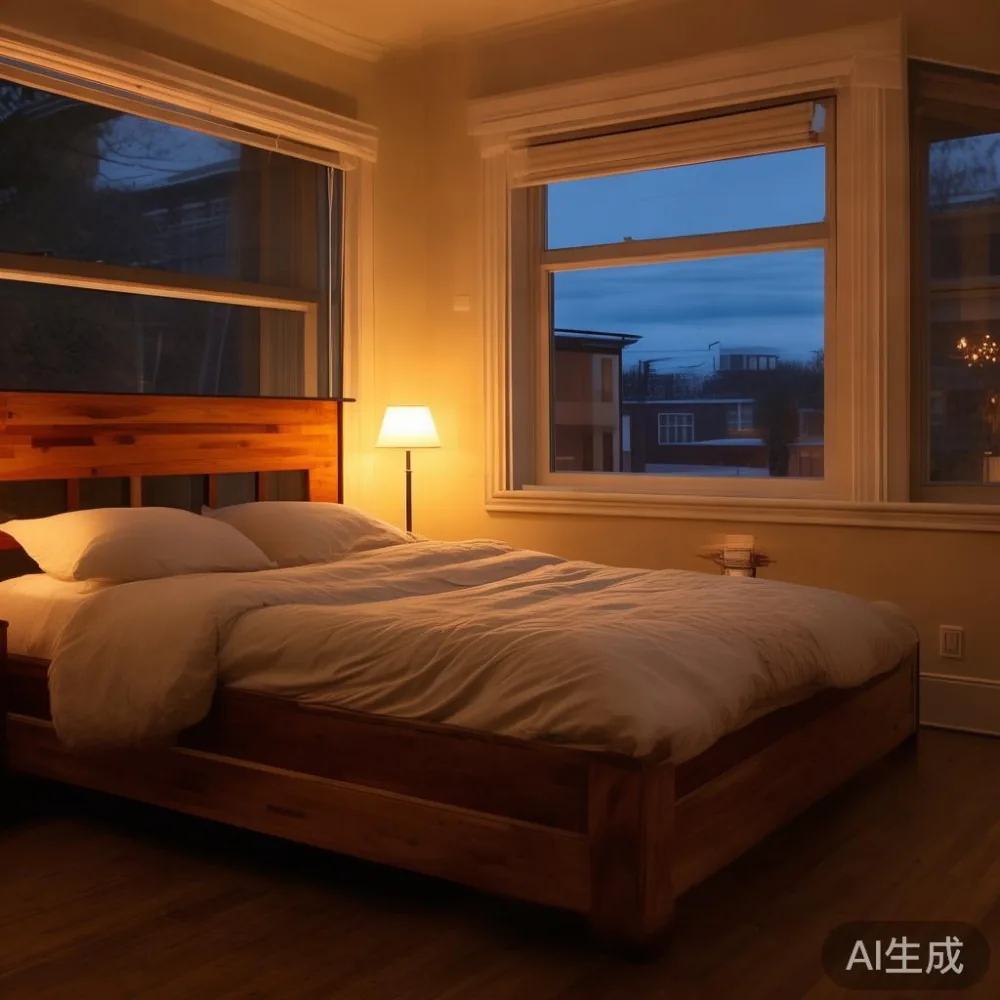
Why Singapore humidity changes wood more than most people expect
Singapore’s annual humidity is high, and outdoor readings often reach 85–95% during the more unsettled periods. Indoor conditions vary more: a bedroom near a west-facing window can climb past 75% after rain, while an air-conditioned room may fall below 40%. Those swings move moisture in and out of timber faster than a steady, moderately damp room would.
Wood is hygroscopic. Its cells gain or lose bound water as atmospheric humidity changes, causing measurable dimensional movement across the grain. A 180 cm solid oak dining table may move 2–5 mm across its width over seasonal changes; a 200 cm bed frame slat or side rail can shift enough to make a tight joint feel loose. Movement along the grain is much smaller, which is why wide tabletops, solid wardrobe sides and bed rails deserve careful stabilisation.
Temperature matters too. Warm, humid air can hold more water than cooler air at the same relative humidity. Air-conditioning cools a room quickly, but dehumidification varies by system and operating time. As a practical target, aim for 45–60% relative humidity and 22–28°C in occupied rooms. In an HDB flat, place a calibrated hygrometer—about SGD 12–35—near the wardrobe or bed, not beside an air vent where readings swing widely.
Condensation can occur even when the weather is not visibly wet. A chilled water bottle against timber may collect beads after 15 minutes. In some Bedok and Tampines blocks, a cupboard close to a service riser or frequently opened balcony door can stay 10–15 percentage points more humid than the main bedroom. Check those corners during heavy rain.
Can a bed frame sg seller prevent humidity-related movement?
A bed frame sg specialist can reduce moisture-related movement with stable joinery, suitable hardwood, finished edges and careful packing, but no seller can prevent every seasonal dimensional change in a humid home.
A well-made frame should use straight-grained components, joints that allow controlled movement, and finishes applied to all relevant faces. Solid wood is not rigid enough to be treated like metal; preventing splitting by sealing moisture inside can trap stress instead. Look for a flush surface, tight joints and even gaps that remain within about 2–3 mm rather than dramatic openings that suggest compromised construction.
Measure the access route before delivery. Many HDB lift doors are about 90 cm wide, while some condo service corridors narrow to 105–120 cm. A disassembled bed frame with the longest component under 180 cm and each section below 35 kg is easier to carry than a heavy, rigid frame. Check turning clearances at landings and protect corners with foam sleeves.
Ask how packaging supports the piece. Cartons should stay dry, pallets should be off the floor, and solid wood components should be separated and supported rather than piled without restraint. MIDHILL’s 10-year structural warranty speaks to construction, while transport care remains the customer’s responsibility. Avoid placing a freshly delivered bed against an exterior wall; allow 5–10 cm for airflow and 24–48 hours for any packaging materials to be removed before final placement.
What humidity level suits a Singapore bedroom?
A practical bedroom range is 45–60% relative humidity, with no prolonged surface contact between furniture and a cold or wet wall. Keep air-conditioned periods steady and ventilate when outdoor conditions are drier; chasing an exact number every hour is less useful than avoiding repeated damp-and-dry cycles.
Place a digital hygrometer at mattress height and check it at 8 a.m. and 8 p.m. for 7 days. Readings that stay at 70% or higher call for practical changes: run the air conditioner’s dry mode for 30–60 minutes, use a dehumidifier when the unit’s rated coverage matches the space, or move the unit away from an open doorway. A small HDB bedroom of roughly 9–12 m² may need a compact compressor dehumidifier rated for about 15–20 m², subject to the manufacturer’s test conditions.
Do not aim for desert-dry air. Below about 40%, timber can lose moisture, checks can appear at end grain, and tight joints may loosen. Very dry air also increases static, which is unpleasant around a solid wood nightstand. In a condo, aim outdoor-facing windows during dry periods when security rules permit, close curtains on hot rainy afternoons, and keep air vents clear.
Furniture placement changes results. A bed frame sg mattress should not touch a cold metal headboard; leave roughly 5 cm behind the headboard for air movement. Wardrobes benefit from 3–5 cm of rear clearance where space allows. Marble tables are less hygroscopic than timber, but their bases and adjacent floor still need ventilation. Kitchen and bathroom humidity should never be vented directly into a bedroom where the furniture stands.
How should a dining table, wardrobe and nightstand be maintained?
Maintain them with gentle wiping, controlled indoor humidity, immediate spill cleanup and periodic checks of hidden surfaces. A 30 cm solid hardwood dining table, a 200 cm wardrobe and a 45 cm nightstand face different stress points, but none should be sprayed directly or exposed to standing water.
For a dining table, remove rings promptly. Blot within 5 minutes, then wipe with a cloth wrung out in clean water. Dry with a separate cotton cloth and inspect after 30 minutes. Re-oil an unfinished or oil-treated surface only when water no longer beads on it; follow the supplier’s schedule rather than recoating on a fixed monthly date. Typical oiled hardwood may need attention every 6–12 months in normal indoor use.
For a wardrobe, check the back and top edges every 3 months. Use a torch for at least 60 seconds per section and look for darkened timber, peeling finish, musty odour or swelling that prevents gentle door movement. Let air reach the exterior face, but do not force a swollen door. The nightstand deserves the same restraint: coasters should be fully dry, electronics should not drip condensate onto wood, and wall gaps of 2–3 cm help in humid corners.
Marble table care is different. Neutral pH stone cleaner is suitable for many varieties; vinegar and acidic products can etch marble. Never use bleach on a coloured marble without professional confirmation. Wipe standing liquid immediately so it does not reach the timber base or metal fixing. Light luxury styling does not change the physics: an elegant marble surface still needs a dry environment around its supports.
How do lifts, corridors and GST affect furniture delivery planning?
Good delivery planning starts with measurements, weight and access—not just product dimensions. Confirm the lift car, door, landing and corridor before dispatch, and remember that Singapore purchases may include 9% GST when displayed prices are tax-inclusive.
Measure a flat-pack dining table in its packed state. For a HDB lift with a 90 cm door, keep the carton width below roughly 85 cm for a straight passage. Some lift cars measure about 140 cm deep and 110–140 cm wide, but older blocks and service corridors can differ. Ask the building office for approved mover hours, reserve the loading bay, and protect common-area walls with padding at least 1 m tall.
Standard kerbside delivery typically takes 5–10 days after confirmation; made-to-order pieces may take 30–60 days. Longer components need two handlers and a trolley rated above the actual weight. A 35 kg section is awkward but manageable with three people; a 60 kg section needs proper equipment and a clear route.
MIDHILL offers free shipping above US$350, with the checkout currency and applicable GST shown before payment. Singapore returns are accepted within 14 days under the stated policy. Inspect packaging on arrival, photograph all 6 sides and measure for transit damage within 24 hours. A wood dining table or bed frame sg listing may describe finished dimensions while the delivered carton is smaller because the frame is designed to assemble indoors.
What design styles work with humid, compact homes?
Warm, restrained light-luxury interiors suit humid HDB and condo homes when pale finishes, clean ventilation routes and modest ornamentation keep rooms visually open. Choose furniture that breathes visually and physically: slim bed profiles, raised legs, closed storage and finishes suited to the actual interior climate.
French light luxury often uses pale oak, cream tones and gentle curves. That palette suits a Tampines flat, but pale wood shows dust and water rings sooner, so matte, repairable finishes are practical. American light luxury leans toward generous proportions; scale it to the room instead of forcing a 220 cm sofa into a 3 m living area. A 180–200 cm sofa can still suit a compact layout if circulation remains at least 60 cm along the main route.
Post-modern light luxury mixes strong lines with warmer textures, a useful direction for a 10-year-old condo that needs refreshed storage without a full renovation. Japandi styling shares pale timber and visual restraint, which works well for calm Bedok bedrooms. Keep a balanced composition: one solid wood bed frame, a compact nightstand and a tall wardrobe can make the room feel considered without crowding every wall.
When is a humid mark a maintenance issue or a structural issue?
A surface mark, white haze or slight swelling is usually a moisture-maintenance concern when the timber dries and returns to normal. Deep splits, mould across multiple surfaces, persistently soft wood or a joint that no longer supports its load requires inspection, especially if the frame has been wet or exposed to termites.
Use a simple weekly and monthly routine. At the end of each week, check the 5 areas nearest windows, doors, bathrooms and balcony openings. Each month, inspect a bed frame sg headboard, wardrobe base, dining table edge and nightstand underside with a torch. Wipe only dampness you can see; avoid flooding a suspect area because that prevents you learning whether it dries.
Put protective trays under indoor plants and keep at least 20 cm between leaves and timber where possible. Use coasters and trivets rated at least 2 cm larger than vessel bases. Avoid radiators, heated towel rails and air-conditioner outlets blowing directly at wood for hours. If a part becomes visibly moulded, stop using it, isolate the area, ventilate carefully and seek professional advice rather than layering another coat over damp timber.
Do not confuse a lifetime refinishing offer with a promise against moisture damage. Refinishing restores a finish when the substrate remains sound; standing water, untreated mould and prolonged saturation can damage the substrate itself. Keep evidence of care, retain receipts, and document humidity readings when raising a concern.
What routine keeps solid wood furniture in condition?
A short routine built around moisture control, gentle cleaning and quick responses will protect furniture better than aggressive polishing. Maintain 45–60% relative humidity, check hidden surfaces every 3 months, clean spills within 5 minutes, and inspect delivery packaging on arrival.
Run air conditioning or dehumidification predictably, not only after mould appears. Use ventilation when outdoor air is comparatively drier, and keep furniture away from cold exterior walls by 5–10 cm where space allows. For a dining table, wardrobe, nightstand or marble table, follow the finish-specific care instructions and avoid untested chemicals.
Most importantly, treat timber as a real material. It moves with moisture, responds to temperature and dislikes standing water. Choose construction that accounts for those facts, buy within the room’s actual circulation space, and maintain the environment around the furniture. That is how solid wood pieces keep their character—and their joints—through Singapore’s changing seasons.