How Humidity in Southeast Asia Affects Solid Wood Furniture
Singapore’s equatorial climate can change the dimensions of solid wood furniture without causing obvious damage. A timber bed frame may loosen slightly as humid air enters its fibres, then tighten again when air conditioning lowers the moisture level. In a compact HDB flat, those small movements can affect door clearances, drawer alignment and the fit of furniture against walls. Understanding humidity helps Singapore households choose, position and maintain solid wood pieces with fewer surprises.
This guide explains how moisture affects timber, what homeowners in Tampines, Bedok and Punggol can expect, and how to protect furniture without making indoor living unnecessarily complicated. It also covers delivery logistics, material choices and practical service considerations for shoppers comparing solid wood furniture in Singapore.
Why does Singapore humidity affect solid wood furniture?
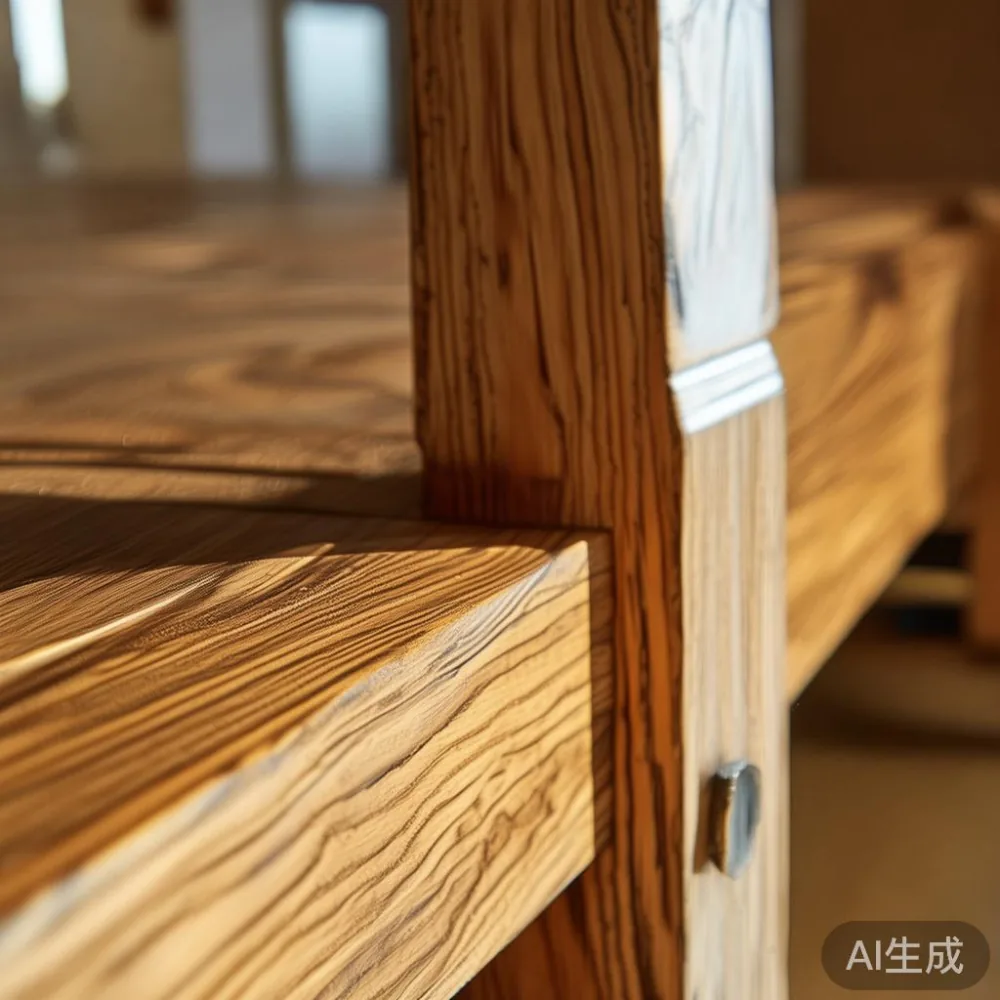
Wood is hygroscopic: it absorbs atmospheric moisture and loses it as the surrounding air dries. Unlike metal or plastic, timber changes dimension as its moisture content changes. High humidity can cause boards to swell, flat panels to bow and joints to feel tight. Low humidity can cause shrinkage, leaving a small gap where a drawer previously sat flush.
Singapore’s outdoor relative humidity commonly ranges from about 65% to 90%, while air-conditioned rooms may settle near 40% to 60%. Singapore’s rainfall is also concentrated rather than spread across four seasons, so moisture can remain in enclosed corridors and units with limited cross-ventilation. An HDB bedroom measuring 3.0 metres by 3.5 metres can therefore experience noticeable daily variation when the door is closed for 8 to 10 hours.
Humidity alone is not a verdict on solid wood. A well-made bed frame sg product should use properly dried timber, sound joinery and finishes that allow controlled moisture exchange. The important issue is stable indoor care: keep the timber away from persistent dampness, direct air-conditioning outlets and abrupt changes between a wet balcony and a dry living room.
How much can a bed frame or dining table move?
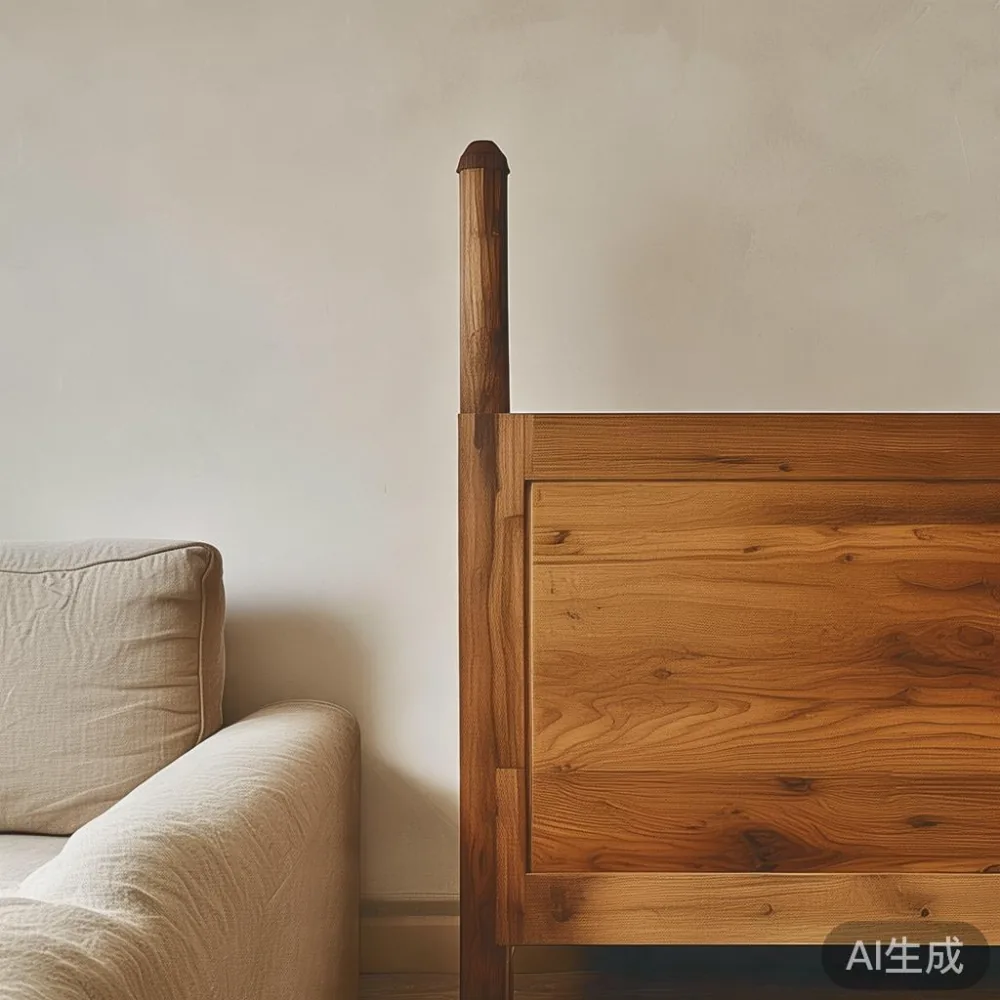
The amount depends on species, cut, thickness and construction. Solid oak, teak and other stable hardwoods generally move less than pine, plywood or engineered boards, but the dimensions can still change. A 180 cm wide solid wood bed frame might expand by roughly 2 to 6 mm across its outer rails during sustained high humidity. A 200 cm dining table top can show approximately 1 to 4 mm of movement along its grain. These are normal physical responses rather than signs of poor workmanship.
Seasonal movement is most visible along one direction, because timber expands across the grain rather than in the direction of its fibres. A solid wood bed frame sg with a slatted base needs enough clearance at the headboard and side rails. Against a wall, leave about 10 to 20 mm of breathing space where practical. For a dining table, position it away from windows that receive monsoon rain or morning condensation. A marble table responds differently because stone does not absorb moisture, although its supporting timber frame and cabinetry still require stable conditions.
Do not force a swollen drawer immediately. Remove the contents, reduce nearby moisture and let the wood return gradually. Applying concentrated heat may worsen cracking or damage the finish. Small alignment changes often disappear once relative humidity has been stable for 24 to 72 hours.
What should I do before a solid wood bed frame reaches my HDB flat?
Measure the route before ordering, including the lift, corridor turns, stairs and the bedroom doorway. A common HDB lift car may be around 90 to 140 cm wide and 120 to 180 cm deep, but older blocks and newer towers vary. Measure the narrowest door leaf and account for handles, shoes and other obstacles. A 160 cm bed frame sg may need to enter as a disassembled frame with two people carrying sections of 25 to 45 kg.
Ask the supplier for the packed dimensions and weight of each component rather than relying only on the assembled size. Check whether lifting is included up to the unit level and whether there is an extra charge above a specified floor. In Singapore, GST is payable on eligible goods at 9%, and the final delivery quotation should make this clear.
For customers comparing pieces, check the actual timber specification, moisture treatment, joinery and warranty terms. A product described as “solid wood” may still combine solid timber with plywood, veneer or metal supports. MIDHILL furniture is made by a Foshan solid wood specialist operating since 2008, with a 10-year structural warranty and lifetime refinishing service. Confirm the scope of those services in writing, including transit damage, finish wear and the treatment of environmental movement.
Delivery to many Singapore addresses commonly takes about 7 to 14 working days after production and dispatch. Local transit should be planned around the building’s loading rules and move-in reservations. Free delivery over US$350 applies to the stated threshold, but shoppers should request an all-in SGD quotation so that GST, lift service and any remote-location surcharge are visible before payment.
How do I keep humidity away from my bed frame sg and other solid wood pieces?
Start with placement. Keep a solid wood bed frame sg at least 30 cm from a bathroom or enclosed balcony where possible, and avoid placing it against an exterior wall that stays cold and damp. In a Tampines HDB flat with a north-facing bedroom, a dehumidifier set to 50% to 60% relative humidity can create a more stable environment. The same target is sensible in Bedok and Punggol units, particularly during the wetter months from November to February.
Use air conditioning thoughtfully rather than cycling between extreme temperatures. A room at 24 to 27°C and 50% to 60% relative humidity is comfortable for people and kinder to timber than a room repeatedly heated to 35°C. Avoid aiming a ceiling vent directly at the headboard, wardrobe or nightstand for 12 hours each day. If condensation appears on a window, improve ventilation and move vulnerable furniture 20 to 40 cm away from the glass.
Clean solid wood surfaces with a soft, slightly damp cloth, then dry them within 5 to 10 minutes. Do not use steam cleaners, soaking cloths or household detergent on finished timber. Wipe spills quickly, especially around a dining table. Coasters and placemats are useful, although ventilation matters more than simply covering every surface.
For a wardrobe, leave the doors ajar for 10 to 15 minutes after prolonged air-conditioning, and make sure fitted units do not trap moisture against the wall. If you are considering how to style Japandi wardrobe in apartment layouts, treat the slim profiles and pale finishes as part of the humidity plan: preserve airflow behind the unit and avoid pushing it tightly into a damp recess. A related guide to Japandi for guest room layouts can be useful where a spare room doubles as a study, but the same moisture baseline applies.
Can different finishes protect furniture better during humid weather?
Finishes slow moisture exchange; they do not make timber waterproof. Hardwax oil, matte lacquer, polyurethane and conversion finishes each behave differently, but all should be applied to clean, dry wood with adequate film thickness. A closed-pore finish may be easier to wipe down in a dining room, while an oiled finish can show fingerprints and water rings sooner. Ask the supplier which system was used and request a sample of the actual material rather than judging from a screen image.
Light-luxury design does not remove the need for climate control. French light luxury often uses pale oak, cream upholstery and gentle profiles, while American light luxury favours generous proportions and carefully finished timber. Post-modern light luxury may combine clean lines with warmer, tactile surfaces. In all three approaches, the material still responds to its environment.
Those design vocabularies appear in practical comparisons such as French sofa vs Mid-century modern sofa, where construction, comfort and care matter alongside appearance. A sofa choice can complement a solid wood bed frame without becoming the focus of the room. Likewise, a MIDHILL coffee table should be treated as a working surface: use a coaster under a cold drink and protect the wood from repeated condensation.
If searching for top 10 Rustic furniture ideas, favour designs with stable joinery and a finish suited to frequent cleaning rather than reproducing cracks, knots or uneven surfaces. If exploring French provincial for dining room arrangements, the scale of the table should suit the room and remain clear of damp walls. These references are useful for visual planning, but the species, finish and acclimatisation still determine long-term behaviour.
What happens when humid weather is followed by dry air-conditioning?
The most noticeable changes often occur during a fast transition. A timber panel gains moisture during a humid afternoon and loses it overnight under air conditioning. Repeated cycles may loosen a plug joint or cause a drawer runner to feel gritty. The wood may also check with fine surface lines, particularly in thicker boards and around knots.
Stable indoor humidity reduces this movement. Keep doors and windows closed when outdoor humidity is high, and avoid allowing warmed, moist air from a balcony to circulate through the bedroom for hours. When using a dehumidifier, drain the tank or use continuous drainage; a 12 to 20 litre unit is suitable for many bedrooms, but room size, sealed doors and the number of appliances influence the result. Place a hygrometer near the furniture and check it at the same time each morning and evening for one week.
For homeowner guidance, useful reference points are 50% to 60% relative humidity and stable indoor temperature. Humidity above 70% for long periods deserves attention, especially in a corner that never receives sun or airflow. Below 40%, consider gentler air conditioning, room ventilation at moderate times and the gradual addition of moisture through the entire home rather than a humidifier aimed directly at timber.
Small gaps are not always defects. If a nightstand drawer develops a 2 to 3 mm gap after a dry week, confirm that the frame remains square before tightening any screw. If a bed rail twists, has split fibres or separates at the joint, document the condition and contact the maker. MIDHILL’s 10-year structural warranty provides a relevant support channel for genuine construction concerns, while its lifetime refinishing service can restore surface appearance when the underlying structure remains sound.
How do I style a solid wood bedroom without trapping moisture?
Begin with space and airflow rather than decoration. A 150 cm bed frame needs approximately 10 to 15 cm on each side where circulation is required, while a 180 cm bed may need up to 90 cm of combined side clearance in a larger bedroom. In a compact HDB room, measure the bed first and keep at least 60 cm of usable passage from the doorway to the side of the frame. Avoid pushing the headboard flush against a wall if it is likely to collect condensation.
Coordinate the solid wood bed frame with a nightstand of similar height so moisture conditions remain visually balanced. A dining table, marble table or solid wood sofa elsewhere in the flat should not be placed in a laundry balcony, kitchen spill zone or an air-conditioned room with a persistent cold draught. Separate furniture from external walls where the layout permits.
Designers often ask how to style European sofa in bedroom spaces that also contain a bed frame. The practical answer is to avoid a large upholstered piece that blocks ventilation, protect it from damp floors and use washable covers where children or pets are present. The same room should have one stable temperature and moderate humidity rather than separate microclimates around every object.
Take photographs and moisture readings when furniture arrives. Record the condition of every joint, rail and panel before assembly. Keep packaging for 7 to 14 days because the manufacturer’s recommended acclimatisation period may vary. If the timber was stored in a cooler climate, allow it to adjust gradually in the bedroom rather than bringing it into a very dry, air-conditioned environment immediately.
What should Singapore buyers ask before ordering solid wood furniture?
Ask six specific questions: Which tree species are used? How was the timber dried? What are the finished dimensions and weight? How long is the production and delivery window? Is lift carrying included? How are humidity-related movement and structural issues covered? Clear answers help distinguish a solid wood bed frame sg from a piece made mainly from decorative veneer or engineered board.
Also check the return process. A 14-day return policy gives buyers time to inspect colour, dimensions and construction, but assembled or custom-finished items may have specific conditions. Confirm whether the policy applies to the bed frame, solid wood sofa, dining table, wardrobe, nightstand and marble table categories in the same way. Do not assume that a statutory or company policy covers damage caused by flooding, direct rain or prolonged indoor dampness.
For a local purchase, compare the total SGD amount, not only the product price. GST is 9%, delivery may take 7 to 14 working days, and lift carrying or extended carrying to a specific floor may cost extra. For an international order, the free-shipping threshold of US$350 should be checked against the destination, customs treatment and final-mile charges. MIDHILL exports to more than 15 countries, so an international logistics quotation should still identify what happens after arrival in Singapore.
Humidity in Southeast Asia creates small, measurable movements in solid wood furniture. The goal is not to eliminate natural change but to keep conditions stable, preserve airflow and select sound construction. With accurate measurements, realistic care and clear warranty support, a bed frame sg and the surrounding furniture can remain attractive and dependable in Singapore homes for many years.