Beyond the Surface: A 5-Year Cost Comparison of Veneer and Solid Wood Bed Frames
When furnishing a Singapore home, whether it's a compact HDB flat in Bedok or a spacious condo in Tampines, the bed frame is often the largest and most significant piece of furniture. It's the anchor of the bedroom, a daily-use item that must be durable, aesthetically pleasing, and practical for our local living conditions. The choice between a veneer bed frame and a solid wood bed frame can feel overwhelming, with price tags that vary dramatically. But the initial price is only part of the story. A true comparison requires looking at the total cost of ownership over several years, factoring in maintenance, potential repairs, and the lifespan of the investment.
What Exactly Are We Comparing? Solid Wood vs. Veneer Bed Frame SG
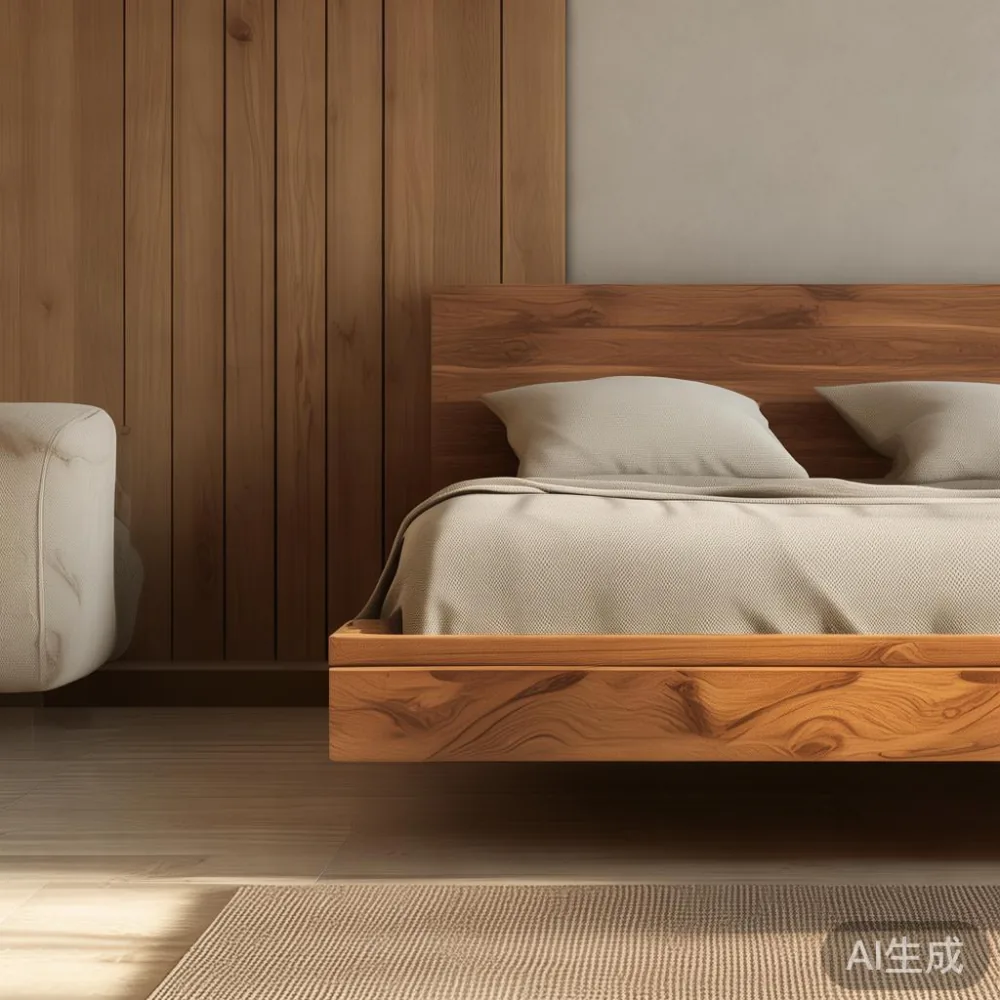
To understand the financial implications, we must first define the materials. A solid wood bed frame, as the name suggests, is crafted from a single piece of lumber, such as oak, walnut, or mango wood. These frames are known for their heft and substantial feel. A typical queen-sized solid wood bed frame from a reputable maker like MIDHILL might weigh around 45 kg and have dimensions of 160 cm wide, 200 cm long, and 85 cm tall, making it a significant presence in any bedroom. The construction is straightforward: solid planks joined together with traditional joinery like mortise and tenon, reinforced with steel screws for added stability. This method ensures that the frame can withstand the weight of a mattress and two adults for decades without warping or sagging.
In contrast, a veneer bed frame is built from a less expensive core material, often a composite like MDF (Medium-Density Fibreboard) or particleboard. This core is then covered with a thin layer of real wood, known as the veneer. This veneer can be made from the same premium woods as solid wood, allowing for a similar aesthetic at a fraction of the cost. A comparable queen-sized veneer frame might weigh only 25 kg. While lighter and often cheaper upfront, the construction is less durable. The thin veneer layer can chip, peel, or delaminate, especially in Singapore's humid climate where moisture levels can fluctuate between 60% and 90%. The core materials are also more susceptible to water damage and structural failure over time, particularly if the frame is moved frequently or placed in a location with poor ventilation.
Initial Investment: The Upfront Cost Breakdown
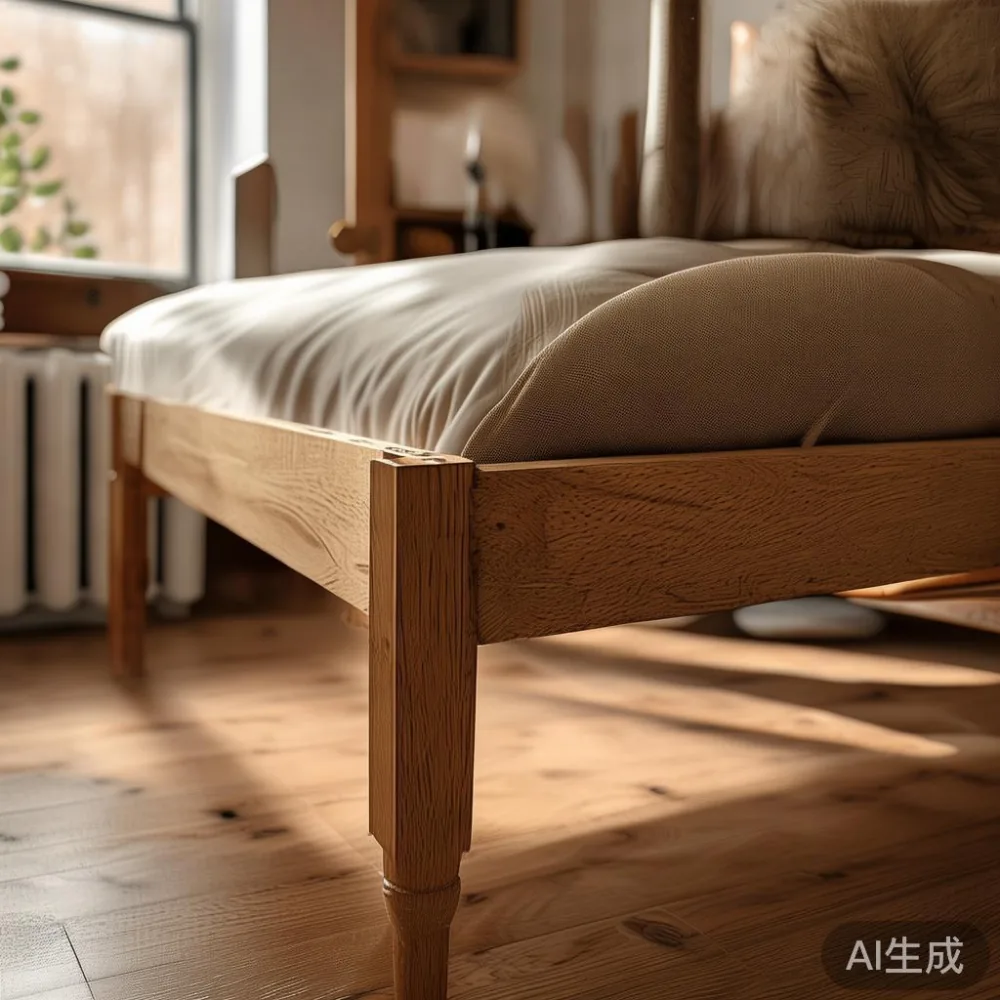
The most immediate difference between veneer and solid wood is the price point. For a standard queen-sized bed frame in Singapore, the initial cost difference can be substantial. A solid wood bed frame, particularly one made from hardwoods like oak or walnut, typically starts at around SGD 2,500. This reflects the higher cost of raw materials and the more labour-intensive manufacturing process. A veneer bed frame of the same size and style can often be found for as little as SGD 800. This lower price makes veneer an attractive option for those on a tight budget or for those who are renting and don't plan to keep the furniture long-term.
However, this initial price difference is misleading. It ignores the value of longevity and the cost of replacement. When you buy a solid wood bed frame, you are making a long-term investment. When you buy a veneer frame, you are often making a short-term purchase. For example, a colleague of mine recently moved into a new condo in Punggol and opted for a veneer bed frame to save money. Within 18 months, the finish on the headboard had started to bubble in the humid weather, and one of the side panels had cracked from minor stress. He ended up replacing the entire frame, a cost he hadn't initially budgeted for. This is a common scenario that underscores the importance of looking beyond the initial price tag.

The Hidden Costs of Ownership: Maintenance and Repair Over 5 Years
This is where the true financial divergence becomes clear. The cost of maintaining a veneer bed frame in Singapore's climate is a significant, often hidden, expense. Veneer is sensitive to changes in humidity. The heat and moisture can cause the thin wood layer to expand and contract, leading to unsightly cracks and peeling edges. To maintain its appearance, a veneer frame requires careful, consistent care. This means using coasters for all drinks, avoiding placing it in direct sunlight from a window, and using a dehumidifier in the room during the wetter months. Any accidental spill must be wiped up immediately to prevent the moisture from seeping into the MDF core, which would cause irreparable swelling and damage.
Repairs are also more complex and costly for veneer. If a small chip appears, you might find a furniture repair kit for around SGD 50. However, for larger areas of damage, the entire panel often needs to be re-veneered or replaced by a professional, a service that can easily cost several hundred dollars. Over a 5-year period, it is not uncommon for a veneer owner to spend an additional SGD 300 to SGD 700 on touch-up kits, professional repairs, or replacement parts to keep the frame looking presentable.
A solid wood bed frame, on the other hand, requires minimal maintenance. Its thick, solid construction makes it inherently more resistant to humidity. The primary maintenance task is periodic refinishing to restore the wood's natural lustre. A high-quality solid wood frame can be sanded down and re-oiled or re-varnished every 5-7 years. This process can be done by the owner with a DIY kit costing around SGD 100, or professionally for approximately SGD 300. This is not a repair but a rejuvenation, a way to bring the furniture back to its original beauty. Unlike veneer, where a repair often covers a flaw, refinishing a solid wood frame is an enhancement that improves the piece over time. For those seeking under 2000 Modern light luxury furniture options, the longevity of solid wood becomes a key factor in its value.
Is a Solid Wood Bed Frame Really Worth the Extra Money?
When you factor in the initial cost, maintenance, and potential repairs over a 5-year period, the financial picture shifts dramatically. Let's create a hypothetical cost comparison for a queen-sized bed frame in Singapore. We will assume a 7% Goods and Services Tax (GST) is applied to all purchases and services.
Scenario 1: Veneer Bed Frame
- Initial Purchase Price: SGD 800
- GST (7%): SGD 56
- 5-Year Maintenance & Repair Fund: SGD 400 (for touch-ups, minor fixes)
- **Total 5-Year Cost: SGD 1,256**
Scenario 2: Solid Wood Bed Frame
- Initial Purchase Price: SGD 2,500
- GST (7%): SGD 175
- 5-Year Maintenance Fund: SGD 0 (assuming no repairs needed)
- **Total 5-Year Cost: SGD 2,675**
At first glance, the veneer frame is still significantly cheaper over 5 years. However, this calculation misses the most critical variable: lifespan. A well-made solid wood bed frame is a generational piece. It is not expected to need replacement after 5 or even 10 years. A high-quality frame comes with a 10-year structural warranty, such as the one offered by manufacturers like MIDHILL. After 5 years, the solid wood frame is still in its prime, with decades of useful life ahead. The veneer frame, however, is often approaching the end of its viable life. By year 5, the MDF core may have weakened, the veneer may be peeling in multiple places, and the frame may no longer be structurally sound. The owner would likely be facing a full replacement, adding another SGD 800 (plus GST) to their total cost, bringing the 5-year total to SGD 2,056, and still without a durable, long-term solution.
When you extend the timeline to 10 years, the solid wood frame's value proposition becomes undeniable. The total cost remains around SGD 2,675, while the veneer owner would have likely replaced the frame at least once, pushing their total cost to over SGD 2,800 for a product that has never provided the same level of quality or satisfaction. This is the core of the argument: you are not just buying a bed frame; you are buying years of reliable use and peace of mind.
The Aesthetic and Practical Considerations for Singapore Homes
Beyond the financials, there are practical and aesthetic reasons to choose solid wood for a Singaporean home. The weight and sturdiness of a solid wood frame provide a sense of permanence that a lightweight veneer frame cannot match. This is particularly important in HDB flats where furniture is often moved during cleaning or rearranging. A solid wood frame is less likely to be damaged during these moves. Also, the generous proportions of a solid wood frame, with its thick posts and substantial headboard, create a more luxurious and grounding presence in a bedroom, which can make even a smaller space in an estate like Tampines feel more upscale.
For those who appreciate specific design styles, solid wood offers unparalleled versatility. You can easily find a luxury light luxury furniture piece like a solid wood bed frame that fits a French provincial aesthetic, with its elegant curves and carved details. Achieving the same level of detail and authenticity with veneer is difficult and often looks cheap. The same applies to other styles. A solid wood frame can be stained to match any decor, from a dark, dramatic walnut to a light, airy oak. This adaptability means your bed frame can evolve with your style over the years, unlike a veneer piece whose finish may look dated as trends change.
Practicality is another key factor. Solid wood frames are often designed with simple, clean lines that make them easier to work through through Singapore's standard doorways and building corridors. A solid wood frame is typically delivered in 2-3 main pieces (headboard, footboard, side rails), making assembly and manoeuvring manageable. Veneer frames, sometimes being all-in-one units, can be bulkier and more awkward to fit into a lift or up a narrow staircase in older apartments. The weight of a solid wood frame is also a benefit; it stays firmly in place and doesn't shift around, providing a more stable sleeping surface.
How to Choose the Right Solid Wood Bed Frame for Your Space
If you've decided that a solid wood bed frame is the right investment for your home, the next step is to choose the right one. Start by measuring your bedroom space carefully, including the width of your corridor and the dimensions of your lift if you live in a high-rise apartment. A standard queen-sized bed frame is 160 cm wide, but ensure you have at least 50 cm of clearance on all sides for ease of movement. Consider the height of your ceiling; a very tall headboard can overwhelm a room with low ceilings, common in many HDB flats.
Think about the style you want to achieve. For a classic, romantic look, you might search for advice on how to style French provincial bed in bedroom. This often involves pairing the bed with linens in soft, muted colours and elegant bedside tables. For a more modern and minimalist feel, a modern French provincial furniture style with simpler lines and a lighter wood finish might be more appropriate. If your taste leans towards the industrial, you could look for the best Industrial wardrobe for 2026 to complement a bed frame with metal accents and a raw wood finish.
Finally, consider the practicalities of purchase and delivery. Reputable brands like MIDHILL offer comprehensive warranties, such as a 10-year structural warranty and a lifetime refinishing service, which provides immense long-term value. Check their shipping policies; many offer free shipping for orders over SGD 350, which can help offset the initial cost. Also, look into their return policy; a 14-day return window gives you peace of mind in case the frame doesn't meet your expectations upon arrival. For those looking for a statement piece, the best Modern light luxury sofa for 2026 can complement a solid wood bed frame, creating a cohesive and sophisticated bedroom aesthetic that speaks to quality and enduring style.