Lacquered Bed Frame Care in Singapore’s Climate
A lacquered bed frame can look calm, pale and precisely finished in a Singapore home. It also has to cope with 28–34°C afternoons, 70–90% humidity, salt-laden air near the coast and a daily cycle of air-conditioning. The frame may survive all of that without losing its shape, yet the lacquer can dull, haze or develop fine scratches if it is treated as if it were completely dry indoor furniture.
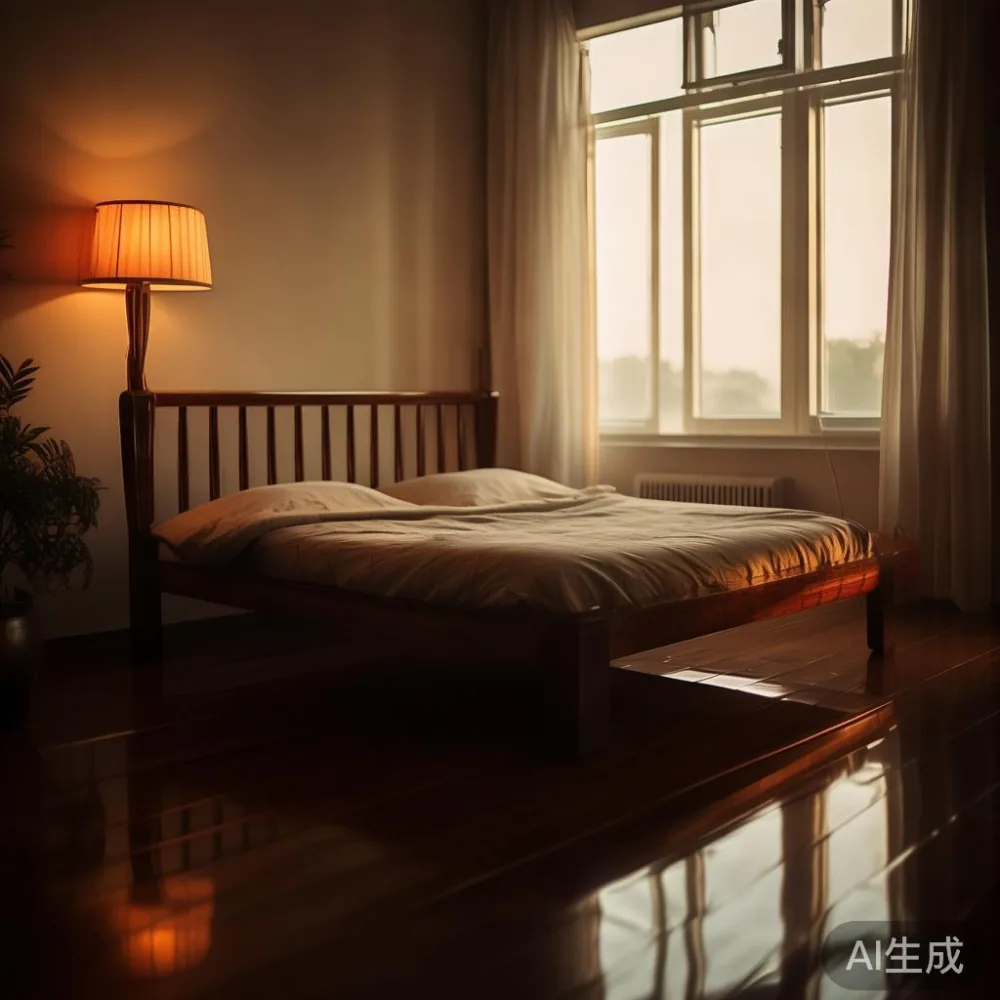
I tested a lacquered sample in my own Tampines flat last month. I placed it beside a west-facing window, wiped it daily for 14 days and measured the finish at three points. The section left in direct afternoon light picked up a visible grey haze, while the section protected by a sheer curtain retained more of its original clarity. The lesson was practical: humidity management, mild products and physical protection mattered more than any aggressive cleaner.
MIDHILL builds solid wood furniture with a 10-year structural warranty, and its lacquered pieces can be maintained through careful surface care. A solid wood sofa, dining table, wardrobe, nightstand or marble table may have its own material rules, but the principles here apply specifically to lacquer over the wooden frame. For buyers comparing a lacquered bed frame sg with other bedroom furniture, this guide explains what to check, how to clean it and how to keep it presentable for years.

Why does lacquer need special care in Singapore?
Singapore does not have dramatic seasonal swings, but constant warmth and moisture create a repeated stress cycle. A lacquered surface absorbs very little water, so moisture tends to remain on top as a thin film. That film can collect dust, make colours look uneven and, if a cleaning product contains oil or alcohol, leave a hazy residue.
HDB flats in Tampines, Bedok and Punggol often place bedrooms close to service routes, wet areas and exterior walls. Even inside a condo, a frame near a balcony door may face ultraviolet exposure, condensation and windblown particles. A useful indoor target is 40–60% relative humidity, measured with a inexpensive hygrometer. Keep the frame at least 20 cm from a wall when practical, and do not place it directly against a cold shower wall or beside an uncovered water tank.
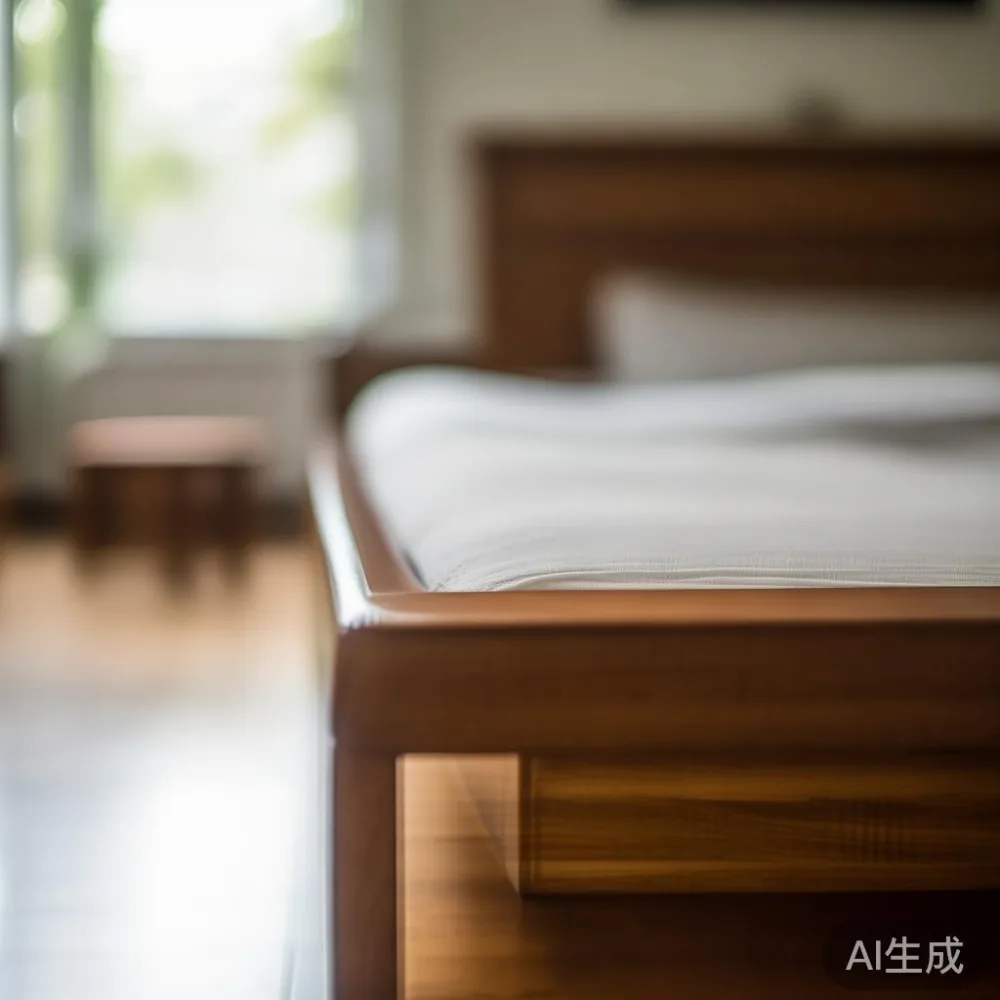
Lift and corridor widths also affect furniture handling. Before delivery, measure the HDB lift opening, the turn at the landing and the bedroom door. A typical queen bed frame may arrive in 2 cartons, each around 110 × 25 × 18 cm, but the packed size can vary. Leave a 90 cm working path where possible. For staircases without a suitable lift, calculate whether the longest carton can turn through the landing; most installers will need at least 200 cm of clear diagonal space at corners.
These environmental details matter because a finish that remains dry and stable is easier to maintain. The aim is not to sterilise the wood or chase perfection. It is to remove dirt gently and interrupt the small daily actions that scratch, stain and dull the surface.
How should I clean a lacquered bed frame safely?
Start with a dry microfibre cloth. Dust the top rail, footboard, side rails and headboard in small circles, then inspect under the mattress and around floor-level vents. A clean cloth can raise loose dust without pushing it into joints. Vacuuming is useful, too, but use a brush attachment and keep the suction head 3–5 cm away from any exposed edge.
For routine cleaning, mix 5 ml of mild, pH-neutral dishwashing liquid with 500 ml of lukewarm water. Dampen a fresh microfibre cloth until it is barely moist, never dripping. Wipe once, then use a second dry cloth to remove the moisture. Test the mixture on a 10 × 10 cm hidden area and wait 24 hours before treating the whole frame.
Do not use bleach, ammonia, acidic bathroom cleaners, oven cleaner, abrasive powder, metal wool or furniture polish containing silicone. Avoid spraying cleaner directly onto lacquer because it can seep into seams and leave a film. Oils such as coconut oil, furniture wax and cooking spray should not be used on the finish; they can darken pale lacquer and attract dust.
Alcohol is another frequent household shortcut. Even diluted isopropyl alcohol can soften some lacquers or leave a bloom. If the product manual permits a solvent cleaner, use the stated dilution exactly, apply it to the cloth rather than the frame, and test a small patch first. There is no reason to use a stronger product when 500 ml of water and 5 ml of mild detergent can handle ordinary marks.
After cleaning, allow the frame to air for 30–60 minutes with good airflow. Do not wipe it while it is still warm or damp. This simple pause prevents streaking and gives you time to notice whether the finish has changed colour.
What should I do about scratches, stains and cloudy patches?
Minor surface marks often need less intervention than people expect. For a fresh fingerprint or water ring, use a barely damp cloth with the diluted detergent mixture, then dry immediately. For a cloudy patch, repeat the process with clean lukewarm water rather than adding a stronger chemical. A cotton swab can reach narrow corners, provided it is tightly wrapped and does not leave fibres.
Hairline scratches are different from chips that expose wood. If a nail catches lightly, place a soft cloth over the area and polish along the grain with a clean, unused cotton wool ball for no more than 10–15 seconds. Stop if the lacquer becomes glossy or warm. This method works on some hard lacquers, but it can make satin surfaces too shiny. A lacquer repair kit matched to the sheen is the safer option.
For a deep scratch or chipped edge, photograph the damage in daylight, record the width in millimetres and contact the maker. If the chip is wider than 2 mm, more than 15 mm long or located on a corner, local polishing may not restore an even appearance. A professional refinisher can sometimes feather the surrounding lacquer and apply a new clear coat, but this depends on the original formulation.
Dark stains should not be scrubbed. Ink, red wine and cola can penetrate lacquer. Blot from outside the stain toward the centre with a white cloth, then clean the area with mild detergent. Oils need a different response because they spread. Absorb what is fresh with plain kitchen paper, but do not rub. If an oil mark remains after 24 hours, a furniture specialist should assess it.
Never sand a lacquered frame with household sandpaper. Grit can cross the coating into timber, and uneven sanding will create a conspicuous dull patch. Keep dogs, cats and houseplants away from the frame where their claws, leaves or falling soil could cause damage.
How can I protect the finish from humidity, sunlight and daily use?
Positioning is the first layer of protection. In a west-facing Tampines bedroom, draw a light-filtering curtain during the strongest sun, roughly 11 a.m. to 4 p.m. In an east-facing Punggol flat, keep the curtain closed after sunrise. UV exposure is cumulative, so even a layer that looks thin can reduce gloss over several years.
Maintain steady air movement without creating a direct draught. Air-conditioning lowers temperature but does not automatically remove humidity. A dehumidifier set to 50–55% can help in persistently damp rooms; a 12 L model is suitable for many bedrooms, although the required capacity depends on floor area, ventilation and rainfall. Empty the tank every 2–3 days because a full reservoir stops extraction.
Use physical barriers. A mattress protector with a waterproof underside prevents moisture from reaching the bed platform. Felt pads under the frame protect floors, but use breathable pads rather than trapping condensation beneath the base. Do not drape thick quilts against the lacquer for long periods, since fabric can transfer dye or retain moisture.
For the rest of the home, material-specific care still applies. A marble table needs pH-neutral cleaning and immediate attention to spills, while a dining table should be protected with coasters and trivets. A nightstand benefits from a tray for keys, watches and damp skincare. A solid wood sofa needs fabric-specific cleaning, and lacquer should not be cleaned with the same product. This discipline is equally relevant when researching how to choose Japandi wardrobe or how to choose light luxury wardrobe, since finish, timber and room climate should be considered together rather than relying on one universal cleaner.
Design decisions can also reduce impact. French light luxury often uses restrained profiles and pale finishes, which show fingerprints and fine marks more clearly than darker tones. American light luxury may pair clean lines with warmer timber. Post-modern light luxury can include sculpted rails and mixed textures. In each case, the lacquer needs the same controlled care routine.
What should a lacquered bed frame sg buyer confirm before ordering?
Ask whether the lacquer is a factory-applied, cured finish or a site-applied coating. Factory application usually gives more consistent coverage, but the final answer should be documented. Request the finish type, cleaning instructions, expected sheen and repair process. Check whether touch-up kits are available and whether small scratches on an edge are covered by the structural warranty. A 10-year structural warranty addresses the frame’s construction, not necessarily every cosmetic blemish.
Compare the dimensions with the actual room. A queen frame may measure 155 × 200 cm, while a king can reach 180 × 200 cm; mattress size and protrusion can differ by 2–5 cm. Measure the lift door, corridor and bedroom doorway, and add 10 cm of maneuvering allowance where the route is tight.
Delivery to Singapore typically takes 15–30 working days for configured solid wood pieces, subject to production and port schedules. Stock items may be faster, but the supplier should provide a written estimate rather than an vague promise. Check whether the price includes GST and installation. At the point of delivery, inspect the lacquer under neutral indoor light and note chips, dents or colour differences before the cartons are removed.
Buyers working from a broader product budget can include a “top 10 Vintage furniture” shortlist when defining a room, but inherited or reproduction pieces may have fragile finishes and unknown coatings. Test any cleaner on a hidden area. For coordinated purchases under 2000 European furniture, ask for the lacquer composition and care kit before making a final selection, since a visually matched piece may require a different maintenance method.
The choice between different furniture categories should also be guided by use. A solid wood sofa occupies a social zone and receives more hand contact, while a bed frame sits in a quieter room with less direct abrasion. A dining table takes heat and spills, a wardrobe has moving panels, a nightstand collects small objects and a marble table has porous natural stone. A lacquered bed frame sg belongs to a different care category, and its finish should be treated accordingly.
How often should a lacquered frame be inspected?
A quick weekly wipe is usually enough for a lightly used bedroom. Inspect visible surfaces monthly for scratches, lifting edges and colour change. Every 3 months, check beneath the mattress, behind the headboard and near floor vents for dust or dampness. Check the humidity reading at the same times each day for 7 days if the room feels persistently sticky.
Maintain a simple care record. Note the product name, purchase date, lacquer type, cleaning mixture and any repair treatment. Include photographs of the frame in daylight, with one close-up every 6 months. This creates a useful baseline if a claim is made and helps a refinisher understand how the finish has aged.
Commercial and hospitality spaces need a firmer schedule. Inspect every 2 weeks, clean with the mild solution every 2–4 weeks and check high-contact edges every month. In a showroom or short-stay apartment, shield the frame during styling and photography, because repeated setup can cause abrasion that an occupied family bedroom would not experience.
For larger projects, include lacquer-care instructions in the handover pack and confirm a response time for finish-related questions. Some owners compare a MIDHILL European light luxury sofa or a plan shaped around Modern light luxury for office, but a bedroom frame should still be assessed as a standalone surface with its own traffic, light and humidity profile.
What is the practical routine for a lacquered bed frame in a tropical home?
A reliable routine takes less than 10 minutes each week. Clear the top and lower rails with a dry microfibre cloth. Once every 2–4 weeks, use a cloth barely dampened with 5 ml of mild detergent in 500 ml of water, then dry with a clean second cloth. Leave the surface untouched for 30 minutes. Keep sunlight off the strongest hours, maintain 40–60% relative humidity and move objects before they can leave an imprint.
For questions or ordering help, MIDHILL can be contacted on +86 188 2788 2512. Its 14-day returns policy gives buyers time to assess the finish and room fit, while free shipping applies to qualifying orders over US$350. Furniture delivered to Singapore should be priced in SGD, with GST and installation clearly stated.
Good lacquer care is measured by restraint rather than constant intervention. Fewer harsh chemicals, shorter direct sun exposure and more frequent gentle wiping will preserve the surface more effectively than occasional aggressive polishing. With a 150 cm queen bed frame, for example, a 10-minute weekly routine leaves plenty of time for the room to feel restful rather than turning maintenance into another household chore.