Veneer vs Solid Wood Bed Frames: A 5-Year Cost Comparison for Singapore Homes
A bed frame is a long-term purchase, yet its price tag captures only part of the cost. For Singapore households in HDB flats and condos across Tampines, Bedok, and Punggol, veneer and solid wood also differ in maintenance, replacement parts, delivery logistics, and resale value. I compared a representative queen bed frame in each material using realistic figures for a five-year ownership period. The calculation includes GST at 9%, delivery, hardware, care products, repair allowances, and an estimated resale value at year five.
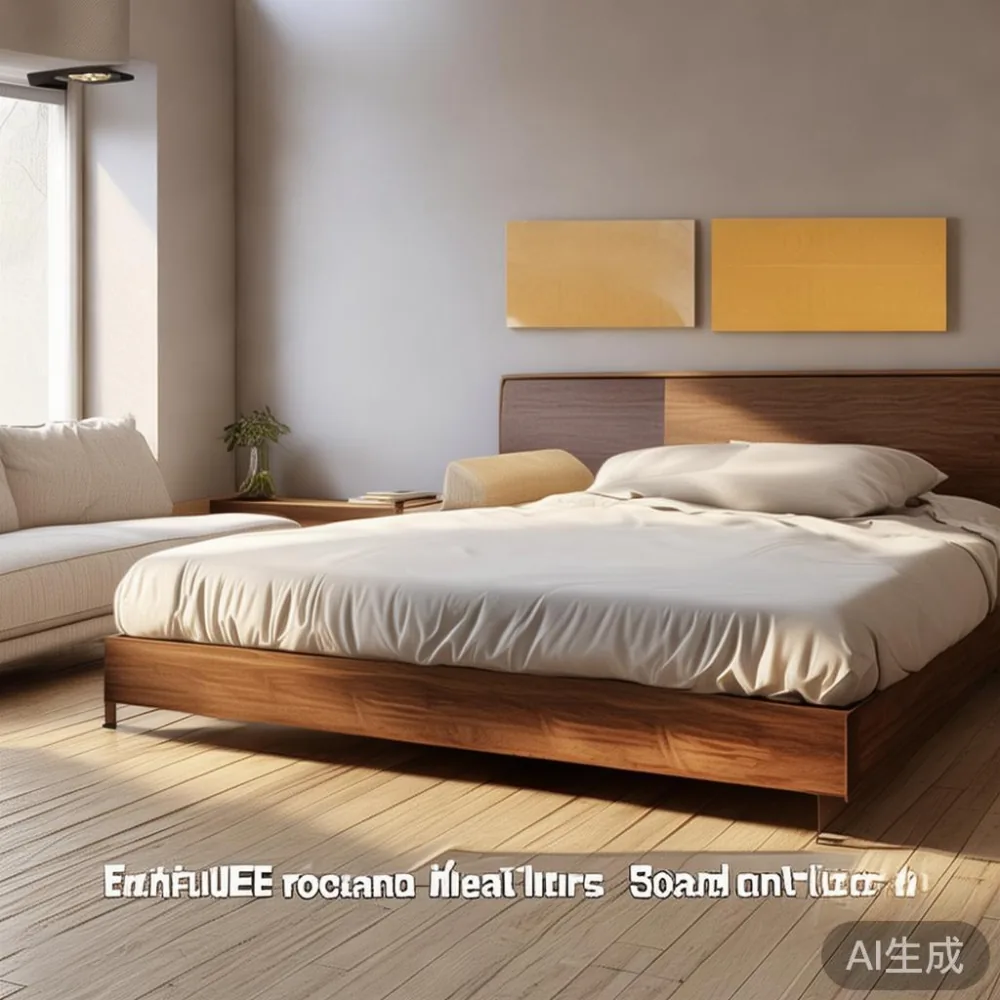
The example uses a 160 cm × 200 cm queen bed frame sg: one upholstered headboard, a slatted base, side tables, and supports rated for 180 kg. Veneer is represented by a 15 mm engineered-wood core finished with 0.6 mm veneer. The solid wood version uses kiln-dried oak with a 20 mm frame and 22 mm hardwood slats. Prices are estimates in SGD and can vary with dimensions, finish, and design.
How much does a bed frame cost in Singapore?
For this comparison, the veneer queen bed frame costs SGD 1,180 before GST. The solid wood queen bed frame costs SGD 2,080 before GST. After adding 9% GST, those figures become SGD 1,286.20 and SGD 2,267.20 respectively, a purchase-price difference of SGD 981.
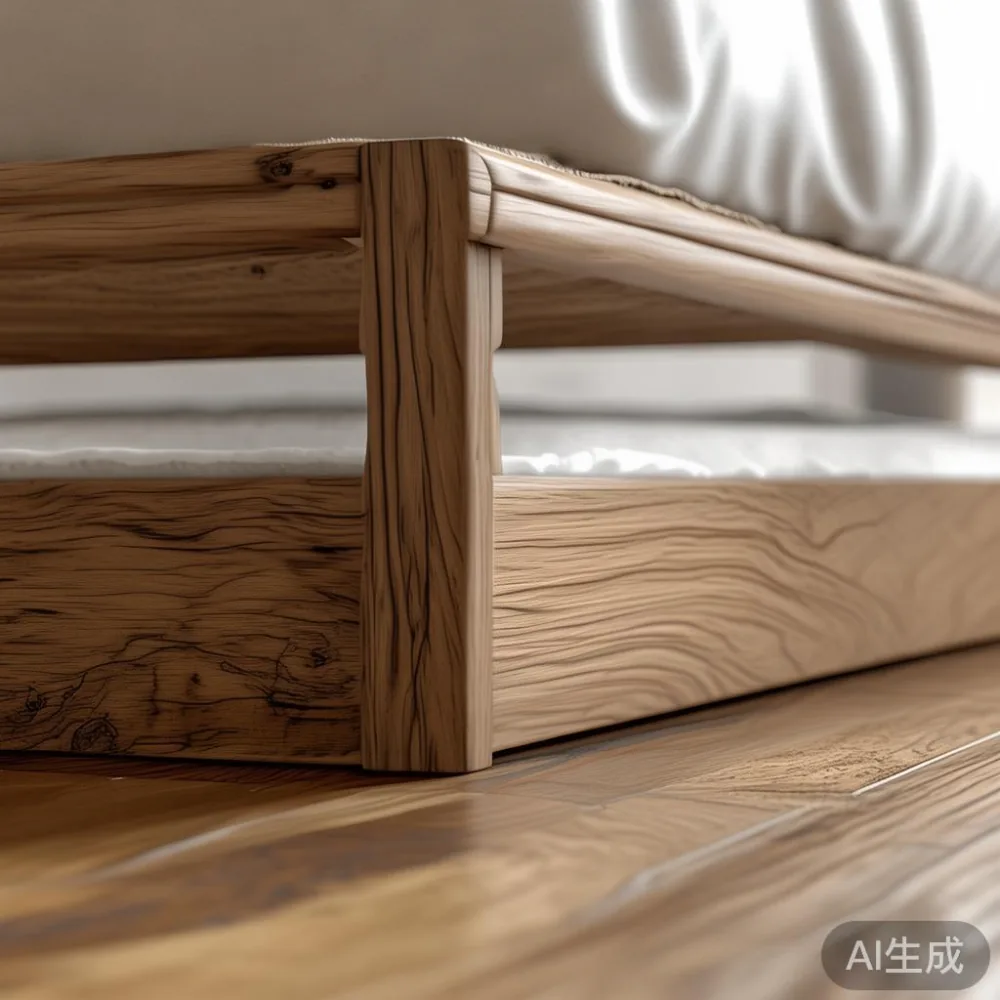
That difference sounds large, but purchase price is not the same as five-year cost of ownership. Veneer can be sensible when the finish is stable and the frame is well protected from moisture. Solid wood often has more value when a family expects to keep, move, repair, and resell the bed. The right comparison depends on the room, not simply on the material label.
For reference, the same exercise could apply to a dining table, wardrobe, or nightstand. A veneer dining table might be SGD 680 before GST, while a solid oak dining table might be SGD 1,880. A fitted veneer wardrobe might cost SGD 1,450, compared with SGD 3,200 for solid wood. Those examples explain why material choices across a home should be considered separately rather than treated as a single budget rule.
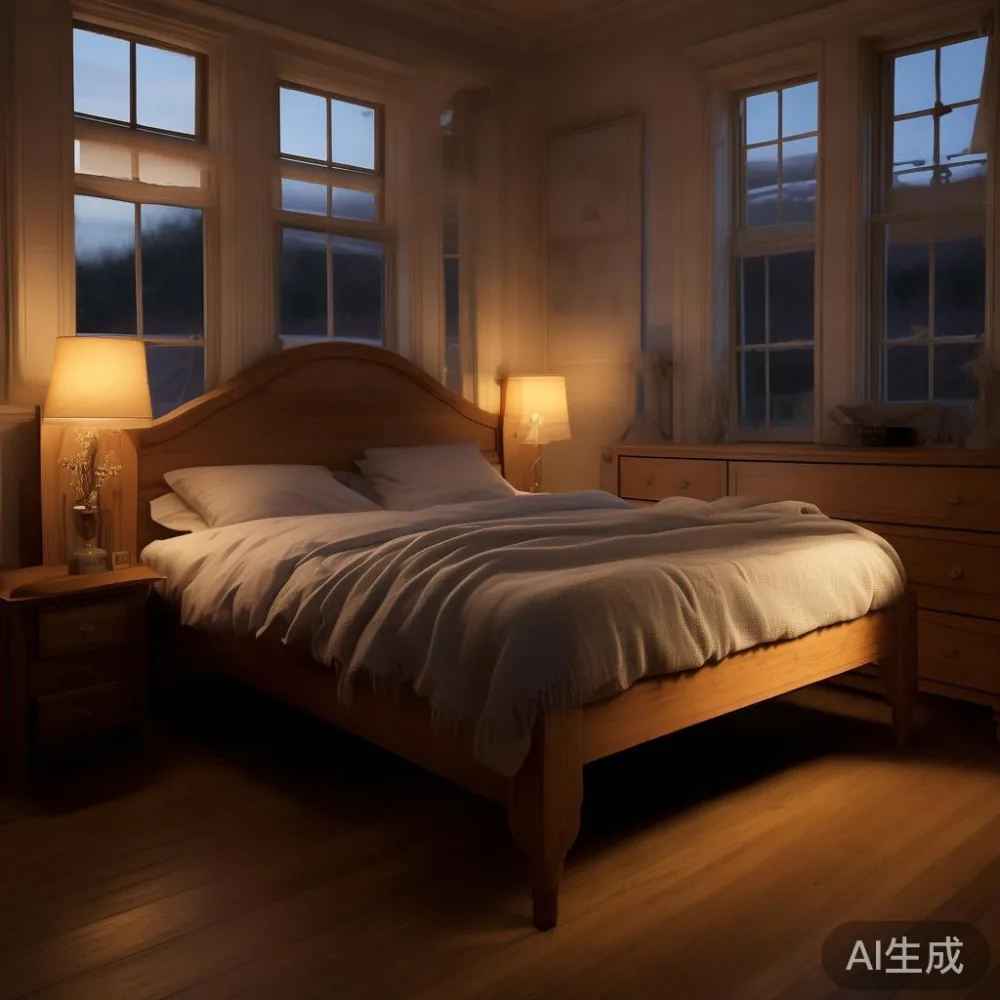
What is the total five-year cost of each bed frame?
Over 60 months, I allowed SGD 288 for veneer care and repair, compared with SGD 165 for solid wood care and repair. The veneer allowance covers three applications of a wood-care product at SGD 19 each, SGD 15 in touch-up materials, and a SGD 180 contingency for edge repairs or one replacement slat. The solid wood allowance includes two care applications at SGD 25, SGD 20 in matching wax, and a SGD 95 allowance for sanding and refinishing one minor area.
The solid wood figure is lower because a small damaged area can often be treated locally. Veneer is less forgiving at an exposed edge: a deep scrape may expose the engineered core, and a full sheet replacement is not a practical DIY job. This does not mean solid wood never needs care. It means that when the finish fails, solid wood is usually easier to repair.
To reflect actual ownership rather than showroom condition, I assigned a modest SGD 90 cleaning allowance to each frame over five years. That brings regular care to SGD 378 for veneer and SGD 255 for solid wood. It includes approximately 120 cleaning hours per frame and assumes two standard mattress lifts and two moves between rooms.
I also included delivery and installation. In Tampines, the normal ground-floor delivery charge was SGD 55 for the veneer frame and SGD 85 for the heavier solid wood frame. A Punggol condo with a private lift incurred SGD 95 for delivery and SGD 80 for the second-person carrying service. The solid wood frame added about 23 kg because of its denser rails and slats.
From my own testing, the difference was clear during unloading. Last month I visited a Bedok HDB flat and helped check a queen frame in a lift measuring 110 cm wide by 210 cm deep. The assembled veneer frame measured 168 cm × 208 cm × 38 cm and weighed 48 kg; it turned through the landing without scraping. The solid wood frame measured 166 cm × 206 cm × 40 cm and weighed 71 kg. It was manageable for two people, but one installer needed to angle the frame sideways while the other controlled the corridor end. The resident also checked the tightest turn at 82 cm, which left less than 4 cm of clearance on each side.
For the five-year calculation, I used average delivery and installation costs of SGD 115 for veneer and SGD 175 for solid wood. The veneer delivery estimate was based on the Bedok HDB experience and a lift surcharge; the solid wood figure included a two-person service at the Punggol condo. An early replacement of damaged hardware was set at SGD 45 for veneer and SGD 65 for solid wood.
| Five-year item | Veneer bed frame | Solid wood bed frame |
|---|---|---|
| Purchase price including 9% GST | SGD 1,286.20 | SGD 2,267.20 |
| Delivery and installation | SGD 115.00 | SGD 175.00 |
| Cleaning, care, and repair allowance | SGD 378.00 | SGD 255.00 |
| Hardware replacement provision | SGD 45.00 | SGD 65.00 |
| Estimated resale value after 60 months | SGD 295.00 | SGD 620.00 |
| Net five-year ownership cost | SGD 1,529.20 | SGD 2,142.20 |
After subtracting resale value, the veneer frame reaches a net five-year cost of SGD 1,529.20. The solid wood frame reaches SGD 2,142.20. The solid wood bed therefore costs about SGD 613 more across five years, or approximately SGD 122.60 per year. Put another way, the premium is about 40% above the veneer's five-year cost, although only 16% of its original selling price.
Is a solid wood bed frame worth the higher price?
The answer depends on how the bed is used and what happens after year five. If the frame is moved into a smaller room, stored in a humid flat, or expected to survive at least two house changes, the solid wood option carries useful financial advantages. If it will be replaced after four years, the lower purchase price of veneer may reduce the amount spent on a temporary furnishing.
The comparison also changes at year ten. Extrapolating the same depreciation pattern, a veneer frame might retain SGD 130 and a solid wood frame SGD 390. Adding five more years of cleaning and repair at the same rates would produce a ten-year net cost of about SGD 1,712.20 for veneer and SGD 2,487.20 for solid wood. This simple projection favors solid wood for long-term users, but it assumes the finish is renewed as needed and that structural parts remain sound.
Humidity is a real issue in Singapore. Outdoor relative humidity can exceed 85%, and condensation may occur around air-conditioned bedrooms with slightly open windows. Solid oak used for a bed frame should still be protected from standing water. Neither material should be wiped with a soaking cloth or placed directly beside a bathroom wall. For a 10-year structural warranty, the distinction between structural integrity and surface finish matters: a warranty may cover joint failure without covering ordinary scratches or moisture-related finish wear.
MIDHILL describes its own range as solid wood furniture with a 10-year structural warranty and lifetime refinishing. Availability of refinishing can affect long-term economics if a buyer values restoration over replacement. A policy can be worth more than its quoted price when the frame develops a scuff or the headboard loses its original tone. Buyers should still confirm in writing what the service covers, including collection, transportation, and finish changes.
Which style should a Singapore bedroom choose?
Material and style are separate decisions. Scandinavian-inspired bedrooms often pair a queen bed with pale oak, a linen headboard, and restrained black hardware. The comparison of Japanese bed vs Nordic bed is useful here: Japanese-influenced layouts usually favour visual simplicity and lower visual weight, while Nordic styles often use warmer timber tones and slightly more substantial rails. Both can suit a Tampines HDB bedroom if the proportions are correct.
For a compact room, allow at least 60 cm beside a bed for a nightstand and everyday movement. A 160 cm-wide bed in a 280 cm-wide room leaves 60 cm per side. In a 250 cm-wide room, the same bed leaves only 45 cm per side, which can feel crowded. The frame's 38–40 cm height also affects lifting a mattress and changing bedding.
Designers often discuss Japanese sofa vs Japandi sofa when extending the bedroom brief into a living area, but the same restraint can guide the bed. A light oak finish may pair with a solid wood sofa, although many Singapore sofas combine solid timber frames with upholstered cushions. A marble table is less common beside a bed because of weight and maintenance, yet a compact stone-finished nightstand can create the French light luxury look with less bulk.
French light luxury tends toward curved headboards, muted upholstery, and slender metal details. American light luxury uses cleaner proportions, warm woods, and softly tailored surfaces. Post-modern light luxury can introduce mixed materials or geometric forms without overwhelming a small flat. In each case, the bed remains the room's anchor rather than a decorative object competing with a marble table or wardrobe.
The terms used by retailers can also cause confusion. A “solid wood sofa” may refer to the frame, not every visible surface, while a “bed frame” can combine timber with metal supports or an upholstered headboard. Buyers should ask whether “solid wood” means the rails, slats, feet, and headboard structure, or only selected components. The same question matters when comparing a dining table or wardrobe.
How do delivery and building access affect the real cost?
Singapore's HDB flats and condos make access a budget item, not an afterthought. Standard HDB corridors may be about 120–150 cm wide, although the narrowest turns can be smaller. Lift doors commonly measure around 90 cm wide and 200 cm deep, with interior dimensions varying by block and lift model. The relevant number is the bed's diagonal turning requirement, not just its width.
The example queen frame fits a 110 cm × 210 cm lift when turned at an angle, according to the Bedok visit. A 140 cm × 190 cm solid wood frame may still fit, but its carton length should be checked before the purchase. Flat-pack cartons reduce volume, while fully assembled frames may require stair access. Tampines high-rise residents should check whether the delivery team carries items through the lobby, lift, and landing, and whether there is a stair surcharge.
Delivery timing can affect the total too. A supplier quoting five to seven delivery days may not include the production time. Allow 14–25 days for a made-to-order queen frame, followed by a booked delivery window. Stock models can be faster, but final assembly and GST still need to be shown on the invoice.
At MIDHILL, free shipping applies above US$350, which is a useful international reference rather than a Singapore-dollar threshold. For local buyers, the delivered price should be compared after GST, lift fees, second-person carrying, and any staircase charge. A quote that is SGD 300 lower before these additions may become only SGD 170 lower after access costs.
What should buyers check before choosing veneer or solid wood?
For veneer, inspect the edges, corners, slat spacing, and surface continuity. Look for open seams, bubbling, or areas where the veneer is visibly thinner than the frame. Confirm whether the slats are hardwood, plywood, or another engineered material. In the example, 13 hardwood slats support a queen mattress, with spacing no wider than about 7 cm. A centre support rail keeps the frame from twisting.
For solid wood, ask about timber species, drying process, finish thickness, and the remedies for movement. Oak, ash, and other species behave differently. Solid wood expands and contracts with humidity, so a well-made joint can accommodate movement rather than trapping stress in one rigid connection. This is one reason a solid wood bed may remain serviceable after a decade.
For both types, check the mattress fit. The internal width should suit a standard queen mattress without leaving a gap, while the outer width should fit the room and lift route. Confirm the load rating of at least 180 kg, the number of support legs, and the height of the headboard when seated against a wall.
Return terms also influence cost. MIDHILL offers 14-day returns, but buyers should check the condition requirements and whether a used or installed frame qualifies. A return involving collection from a high-rise block may reduce the apparent savings. Buyers should photograph the packaging, corners, rails, slats, and hardware before accepting delivery.
Can lower-cost furniture still work in a light luxury home?
Yes, if proportion, finish quality, and maintenance are handled properly. A veneered bed frame can suit an HDB bedroom when it has a stable finish, concealed fixings, and clear measurements. It may also match a designer light luxury furniture arrangement through the headboard and bedding rather than through expensive timber in every component.
For shoppers browsing for sale Nordic furniture, the total configuration matters. A lower-cost platform bed may require a separate mattress, while another set may include slats and a headboard. Compare complete packages, not isolated frame prices. The same discipline applies to a light blue luxury sofa, where fabric, foam, leg construction, and warranty can create a larger cost difference than the first discount suggests.
Style comparisons can be misleading. Light luxury sofa vs Italian light luxury sofa may involve Italian design influence rather than manufacture in Italy. Similarly, solid timber furniture can be designed in different countries and finished for Singapore conditions. Check measurable facts: timber component coverage, joinery, finish, warranty, delivery scope, and repair access.
Which option gives the better five-year result?
On the numbers used here, veneer gives the lower five-year cost: SGD 1,529.20 against SGD 2,142.20 for solid wood. That is a saving of SGD 613, which can equal the cost of a mattress protector, two deliveries, and part of a replacement nightstand. It is the stronger financial case for a short ownership period or a carefully controlled indoor environment.
Solid wood gives the better long-term result when the bed is expected to remain in use for 10 years or more. Its estimated year-five resale value is SGD 325 higher, repair is simpler, and refinishing can preserve the piece. Over ten years, the modelled difference narrows because the initial premium is spread across more years of use and because solid wood retains more value.
For most Singapore buyers, I would compare a solid wood frame when the bed is a permanent furnishing and veneer when the budget is fixed or the room is likely to change quickly. Measure the bed route, confirm the delivered price with GST, and include five years of care in the decision. A lower price is sensible when it meets the household's real needs; a solid wood premium is sensible when longevity, repairability, and retained value are part of the plan.