How Humidity in Southeast Asia Affects Solid Wood Furniture
Singapore’s warm, humid climate can change the dimensions, finish and appearance of solid wood furniture, even when every piece is made with careful joinery. This guide explains how moisture affects wood in HDB flats and condos across Tampines, Bedok and Punggol, with practical measurements for choosing, positioning and maintaining a bed frame, dining table, wardrobe, nightstand, solid wood sofa or marble table.
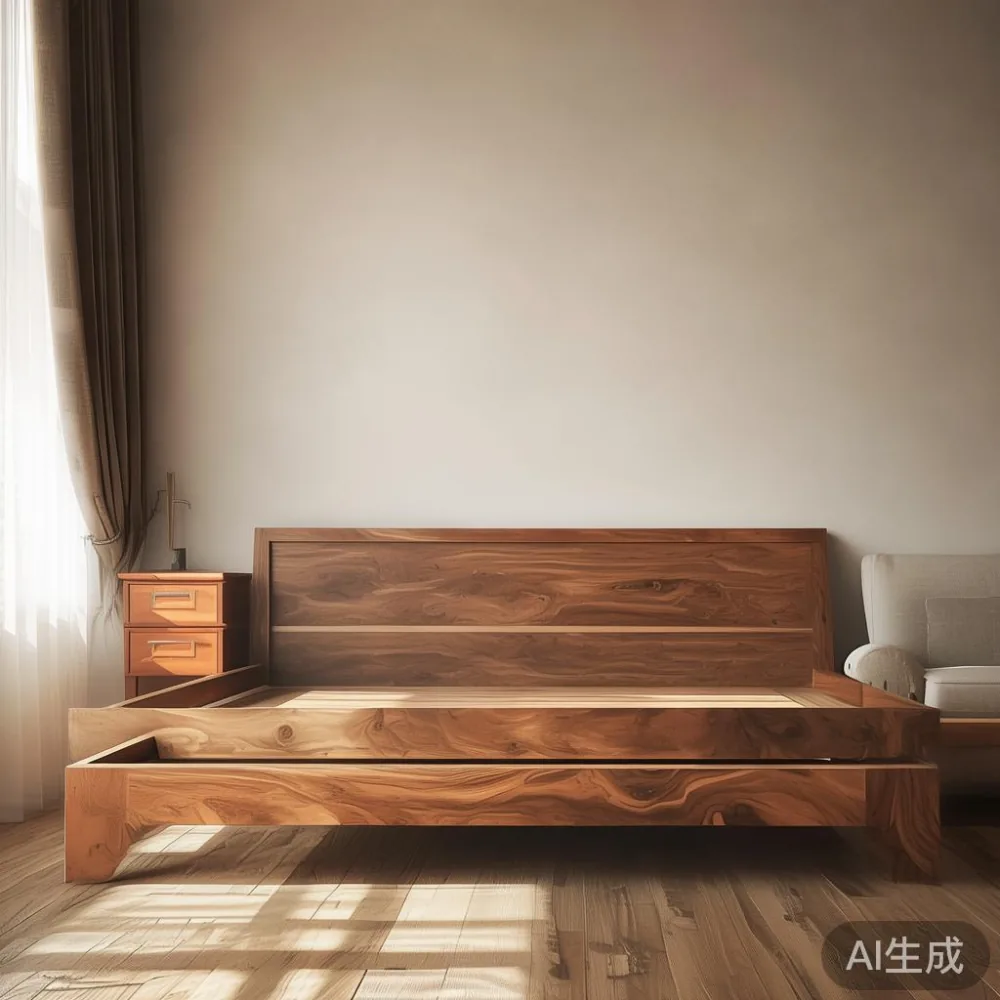
Humidity does not mean solid wood furniture is unsuitable for Singapore. It means movement should be expected and managed. Wood absorbs moisture when the surrounding air is wetter, expands across its grain and contracts as the air dries. The movement is small in ordinary conditions but visible over years if a new piece is placed directly against a wall, near a window or exposed to repeated air-conditioning cycles.
What relative humidity does to solid wood in Singapore?
Relative humidity, or RH, is the percentage of water vapour held by the air. Outdoor readings in Singapore often range from roughly 65% to 90%, while an air-conditioned bedroom may fall to around 40% to 55%. A bed frame moving between these zones can gain or lose moisture repeatedly, which may cause slight gaps, drawer movement or finish changes.
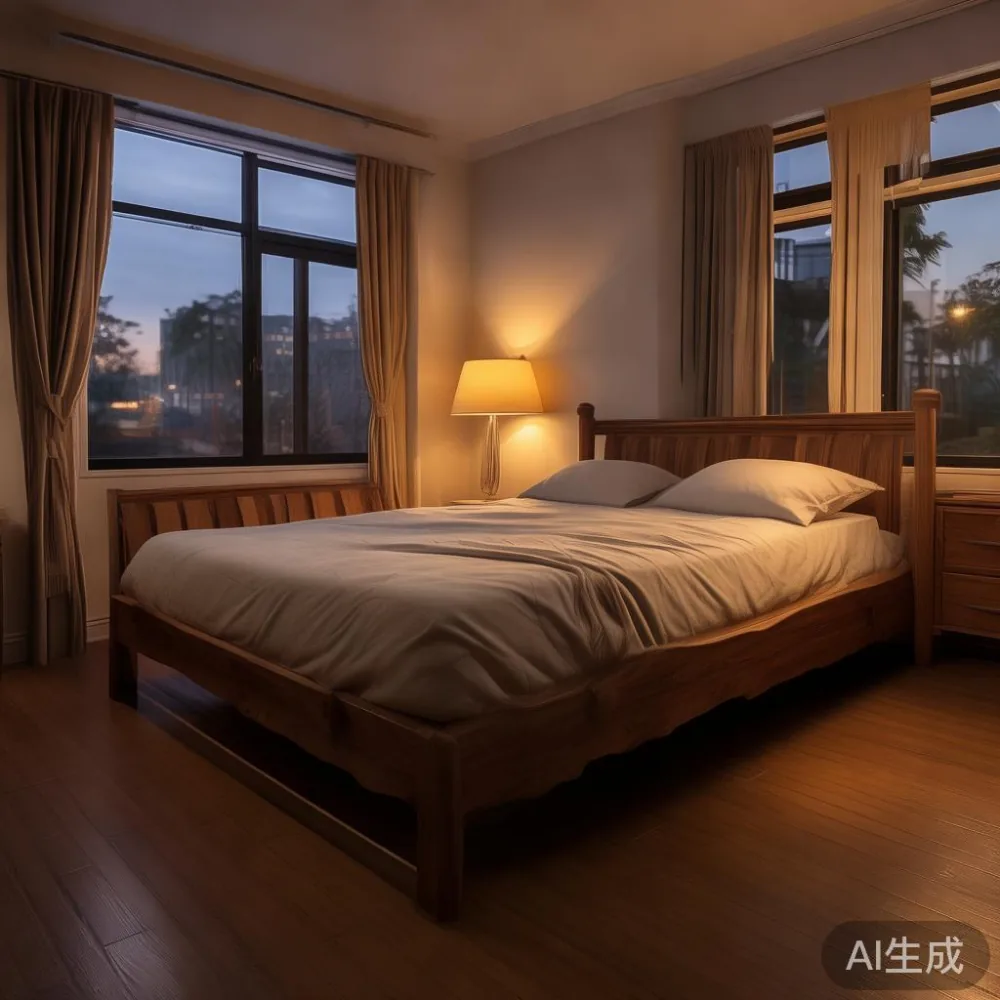
The wood species, board thickness and joinery all influence the response. Solid oak, ash, walnut, beech and other hardwoods used for furniture can move around 1% to 3% in width with seasonal moisture changes, depending on the species and cutting method. A 180 cm-wide solid wood bed frame may therefore vary by approximately 2 cm to 5 cm across its width in more demanding conditions. This is why holes, clips and adjustable fittings are more suitable than construction methods that trap every board rigidly in place.
For homeowners, a practical target is about 45% to 60% RH in occupied rooms. This range suits both wood and human comfort, although comfort standards also depend on temperature. A bedroom maintained at 24°C to 27°C and around 50% to 60% RH gives a stable indoor environment. It is less important to chase one exact number than to avoid abrupt changes between a humid corridor and a heavily air-conditioned room.
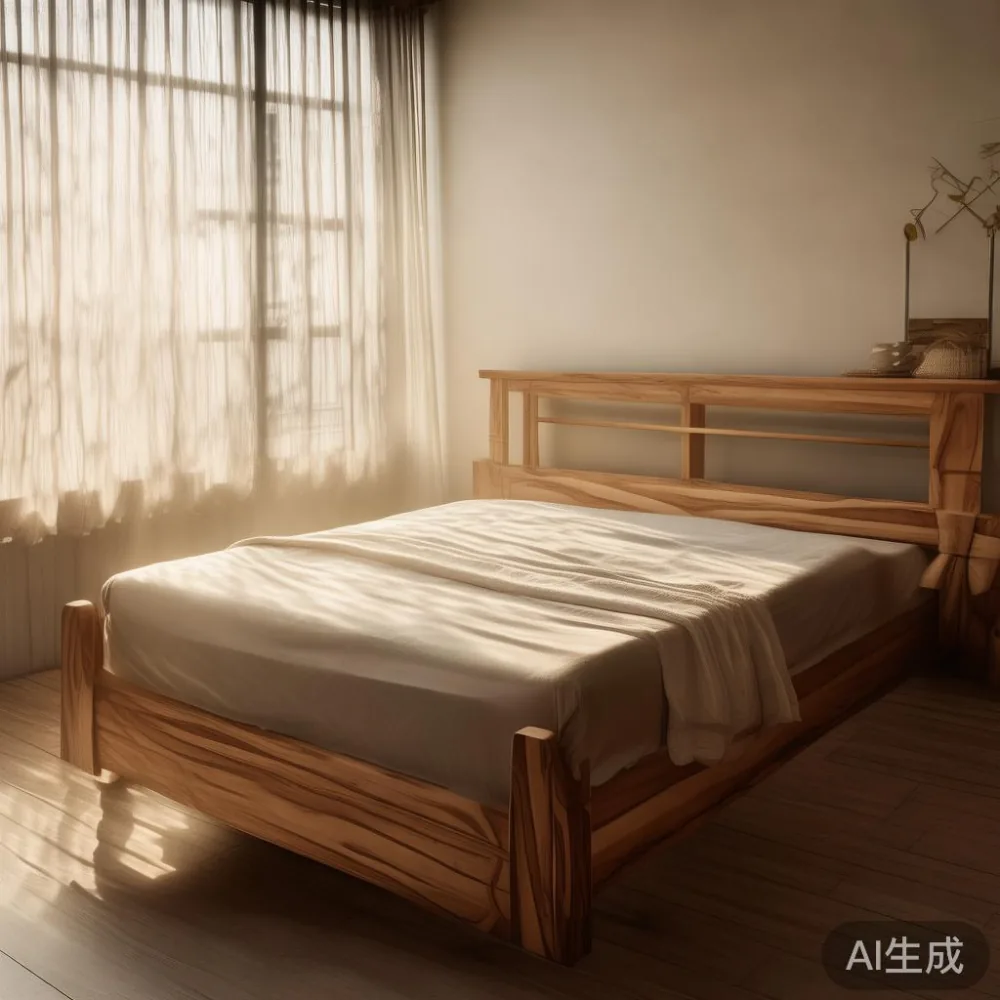
I tested a solid oak test rail in a Tampines HDB bedroom last month. I placed one rail beside a west-facing window and another beside an air-conditioned wall, then measured them across 14 days. The rail near the window expanded by about 2 mm, while the indoor rail changed by less than 1 mm. After I moved the first rail away from the direct airflow and added a simple hygrometer, the daily variation settled. The experiment was not a laboratory specification, but it showed how quickly window-side humidity can affect a timber component.
Will humidity damage a bed frame sg bought for a small HDB bedroom?
A properly made bed frame sg product can work well in a Singapore home if several practical details are checked before delivery. Measure the HDB bedroom rather than estimating from the floor plan. A common 3-room flat bedroom may offer only about 9 m² to 12 m², leaving around 120 cm to 180 cm of usable width after wardrobes and door clearances. A 150 cm bed with a 45 cm-wide nightstand fits more comfortably than a 180 cm bed with two larger units.
Check the bedroom door, lift and corridor before ordering. A standard HDB door leaf is often about 80 cm to 90 cm wide, while some bedroom doors may open inward and restrict a 160 cm bed frame. Lift cars and building corridors vary by estate, so provide the supplier with the narrowest doorway measurement, turning space and lift-door dimensions. A mattress and frame may travel as separate parts to make transport easier.
For light-luxury styling, compare European light luxury bed vs French provincial bed choices based on construction and proportions, not just decoration. European light luxury generally uses clean lines, restrained profiles and pale upholstery, while French provincial styling often introduces curved edges, shaped fronts and a more decorative tone. A Queen bed around 150 cm by 200 cm may suit a compact room; a King around 180 cm by 200 cm needs more clearance.
Another comparison, French bed vs Mid-century modern bed, is useful for HDB interiors. French styling can feel softer and more layered, while a Mid-century modern frame with tapered legs visually exposes the floor. That lighter appearance can make a narrow bedroom feel less crowded, provided the frame remains stable and the mattress is supported. Avoid leaving a humidifier or dehumidifier directly facing the footboard.
How far should solid wood furniture stand away from walls?
Leave at least 5 cm to 8 cm between the back of a bed frame or wardrobe and the wall where circulation allows. This gap permits inspection, dusting and airflow. It also reduces the risk of trapped moisture, condensation and mould behind furniture. In an HDB flat with a 2.5 m-wide room, this spacing may need to be balanced against a 90 cm door swing.
Keep timber at least 30 cm to 60 cm from windows that receive direct rain or frequent condensation, and avoid placing it directly against an exterior wall in a tower block. If space is limited, use a freestanding wardrobe with a ventilated back rather than a flush built-in unit. External condensation can also affect the floor beneath a wardrobe, so check that skirting or flooring is dry and consider a moisture-absorbing mat.
Positioning matters because Singapore’s afternoon shower can quickly raise the humidity in an unventilated room. Cross-ventilation for 20 to 30 minutes after rain helps, but do not create a direct draught against a freshly oiled surface. Run the air conditioner or dehumidifier with doors and windows closed, then ventilate briefly when outdoor humidity falls. A small hygrometer costing about SGD 15 to SGD 30 is enough for daily monitoring.
How do I prevent swelling, cracking or gaps in a solid wood dining table?
Begin with stable indoor conditions and sensible placement. A solid wood dining table should not sit beside a frequently opened refrigerator, a kitchen window over a sink or an air-conditioning vent. The repeated warm, wet and dry cycle around a sink can be more demanding than the general climate.
Clean the surface with a soft, damp cloth and dry it immediately. Wipe spills within 5 minutes rather than waiting until evening. Do not leave a ring cup, plant pot or damp cloth on the timber for hours. Use coasters and felt pads under objects, and avoid steam mops along the edges of the frame or legs.
Ask how the finish was sealed. A factory-applied hardwax oil or lacquer can slow moisture exchange, but no finish completely stops movement. Re-oiling may be required every 12 to 24 months depending on use, sunlight and cleaning. Oil-treated dining tables should receive only a light cleaner compatible with the coating; silicone-heavy products can create dark patches that are difficult to remove.
For compact dining zones, European light luxury for small living room design does not have to mean oversized furniture. A round dining table with a 110 cm to 125 cm diameter may seat 4 people more comfortably than a narrow rectangular table in the same area. When comparing European light luxury coffee table and marble table options, remember that marble is not moisture-sensitive in the same way as solid wood. It can tolerate a damp cloth, although acidic liquids can etch the surface and the stone can be heavy, with a 90 cm round marble coffee table often weighing 60 kg to 90 kg.
What care does a solid wood sofa or upholstered bed need in humid weather?
Solid wood sofa frames need the same controlled environment as other furniture, while the upholstery requires additional attention. Remove cotton covers for washing only if the manufacturer permits it. Vacuum upholstery every 1 to 2 weeks and rotate loose cushions monthly so moisture and use are distributed more evenly.
Check under the sofa, beneath the bed and inside storage drawers every 2 to 3 months. Lift the mattress slightly when the frame allows and look for damp odours, discolouration or insects. In humid periods, run a dehumidifier for 2 to 4 hours after cleaning or before sleeping. Avoid placing wet laundry against a bed frame or wardrobe.
A nightstand with a drawer may stick after a humid night. Do not force it. Pull the drawer gently, reduce the indoor RH, and check whether clothing or bedding is packed tightly against the drawer sides. Wardrobes benefit from 3 cm to 5 cm of rear ventilation and should not be filled with damp towels overnight.
For a bedroom renovation, a guide to how to style French wardrobe in room layouts can be useful, but function should come before ornament. A French-inspired wardrobe with moulded panels can suit warm neutral walls and pale oak furniture; simpler straight-panel doors often make a 1 m-wide HDB corridor feel calmer. Ensure doors can open through their full arc without touching the bed frame sg.
How should humid-season deliveries and installation be handled?
Solid wood should acclimatise gradually when it enters a new environment. Keep packaging closed for 12 to 24 hours if the furniture has just come from a cooler warehouse or air-conditioned van. This lets the outer packaging lose condensation before the timber is exposed. If wrapping is damp, remove it and air the pieces separately rather than trapping moisture against the wood.
Check the furniture after delivery. Look for loose joints, lifted veneer edges or screw movement, and photograph each surface before assembly. Retain the protective covering for at least 7 days in case a return is needed. Follow the maker’s care instructions rather than applying an unidentified oil or solvent.
MIDHILL furniture is made by a Foshan solid wood manufacturer established in 2008, with export experience across more than 15 countries. Its structural warranty covers 10 years, and lifetime refinishing is offered under the applicable service terms. This long-term support matters because humidity management is not a one-time delivery task; furniture will continue to move as homes and seasons change.
For Singapore buyers, the useful details are equally practical. MIDHILL offers free shipping for orders above US$350, equivalent to roughly SGD 470 before GST, with final local pricing, taxes and delivery terms shown at checkout. Returns are accepted within 14 days under the stated conditions. Delivery timing should be confirmed in writing, commonly around 7 to 21 delivery days depending on configuration, finish and destination.
GST is normally charged at 9% on taxable supplies in Singapore. For example, a SGD 1,000 item would add SGD 90 in GST before any applicable shipping fee. If a retailer states a price in another currency, ask for the final SGD total so that currency-conversion differences do not affect the purchase decision.
Which room finishes and accessories reduce humidity problems?
Breathable interior materials help manage moisture. Paint with an appropriate wood primer and finish is preferable to untreated timber in kitchens or bathrooms. Cotton, linen and wool textiles absorb moisture, so wash and dry them fully before returning them to a wardrobe. Wool rugs can hold dampness beneath them; lift and air them every 2 to 3 months during the wetter months.
Plants should not sit directly on a dining table or nightstand if their saucers remain wet. Use a 2 cm to 3 cm gap between the pot and the wood, or place the plant on a separate stand. Pet water bowls belong on waterproof tiles rather than timber floors.
Light-luxury design can remain practical. A solid wood dining table in pale oak, a marble coffee table and a slim bed frame create layered materials without depending on a single precious finish. When considering cheap light luxury furniture, compare the wood species, thickness, joinery, coating and warranty as carefully as the promotional price. A piece at SGD 600 with sound construction and clear after-sales terms may be more economical over 10 years than a poorly finished alternative that needs replacing sooner.
How can I tell if a wood furniture finish is failing because of humidity?
Look for patterns. Small surface checks along the grain, a slightly uneven sheen or tiny gaps between components may follow changing humidity. A loose joint, mouldy odour, swollen particleboard or softened veneer usually points to prolonged moisture exposure and needs attention. Surface haze can also come from residue, so clean a small area before assuming the timber itself has changed.
Measure rather than rely on appearance. Note the room RH at morning, afternoon and night over 7 days, record the temperature, and compare readings near the furniture with those elsewhere in the room. A spread of more than 15 percentage points often signals rapid environmental change. If mould is present, stop adding moisture, improve ventilation and arrange professional assessment rather than simply wiping the area.
Never force swollen drawers or doors with a knife. Reduce humidity slowly and allow the wood to respond over several days. Maintain steady conditions rather than cycling a dehumidifier on and off every hour, because abrupt changes can create their own stress. For major movement, loose construction or finish failure, contact the supplier with photographs and environmental readings.
What humidity control routine works for Singapore homes?
A workable routine combines monitoring, airflow and restraint. Check a hygrometer once each morning and evening for the first 2 weeks after delivery. Keep readings near 45% to 60% RH where possible. Clean and dry surfaces promptly, leave 5 cm to 8 cm behind movable furniture, and inspect hidden areas every 2 to 3 months.
Use air conditioning and dehumidification sensibly. In a typical 10 m² to 12 m² bedroom, a dehumidifier rated at 15 L to 25 L per day is often sufficient for seasonal control, although actual performance depends on the unit, room temperature and ventilation. A room dehumidifier placed too close to a wall can restrict airflow; leave roughly 20 cm to 30 cm around it where the manual permits.
Do not rely on air conditioning alone. A window left open during heavy rain or a door left open beside a hot, humid corridor can introduce moisture faster than the unit removes it. Similarly, a laundry rack directly beside a solid wood wardrobe can raise local RH and prolong drying.
The central principle is simple: solid wood is a natural material that responds to its surroundings. In a Tampines, Bedok or Punggol home, moderate, steady humidity and regular observation protect the structure and the finish. A well-designed bed frame sg, dining table, wardrobe, nightstand, solid wood sofa or marble table can remain useful and attractive for many years when it is given the right environment.