Optimal Size Selection for Singapore HDB Living Rooms
Choosing furniture for a Singapore HDB living room is less about filling the space and more about giving each item enough room to function. A sofa that suits a new Tampines flat can feel crowded in a compact Bedok unit, while a dining table chosen for a larger condominium may block the main walkway. Before buying a bed frame sg, solid wood sofa, dining table, wardrobe, or nightstand, measure the room, the access route, and the furniture in its final position.
Singapore homes are often planned around efficient circulation. Lift widths, corridor turns, and HDB door openings affect delivery as much as aesthetics. In a new Punggol flat, a beautiful piece can lose much of its usefulness if it cannot enter the lift or cannot be carried around a landing. This guide explains how to size a living room with practical numbers while keeping a light-luxury look.
What dimensions should I check before buying furniture?
Begin with the usable floor area, not the room’s marketing label. Measure the living room from wall to wall and record the ceiling height, skirting, air-conditioning ledge, windows, and fixed cabinetry. A 3.2 m by 4.5 m room gives a different planning challenge from a 4.8 m by 5.5 m room, even if both are called generous HDB layouts. Keep a simple drawing with at least 5 cm of writing space around it, then mark doors and balcony openings.
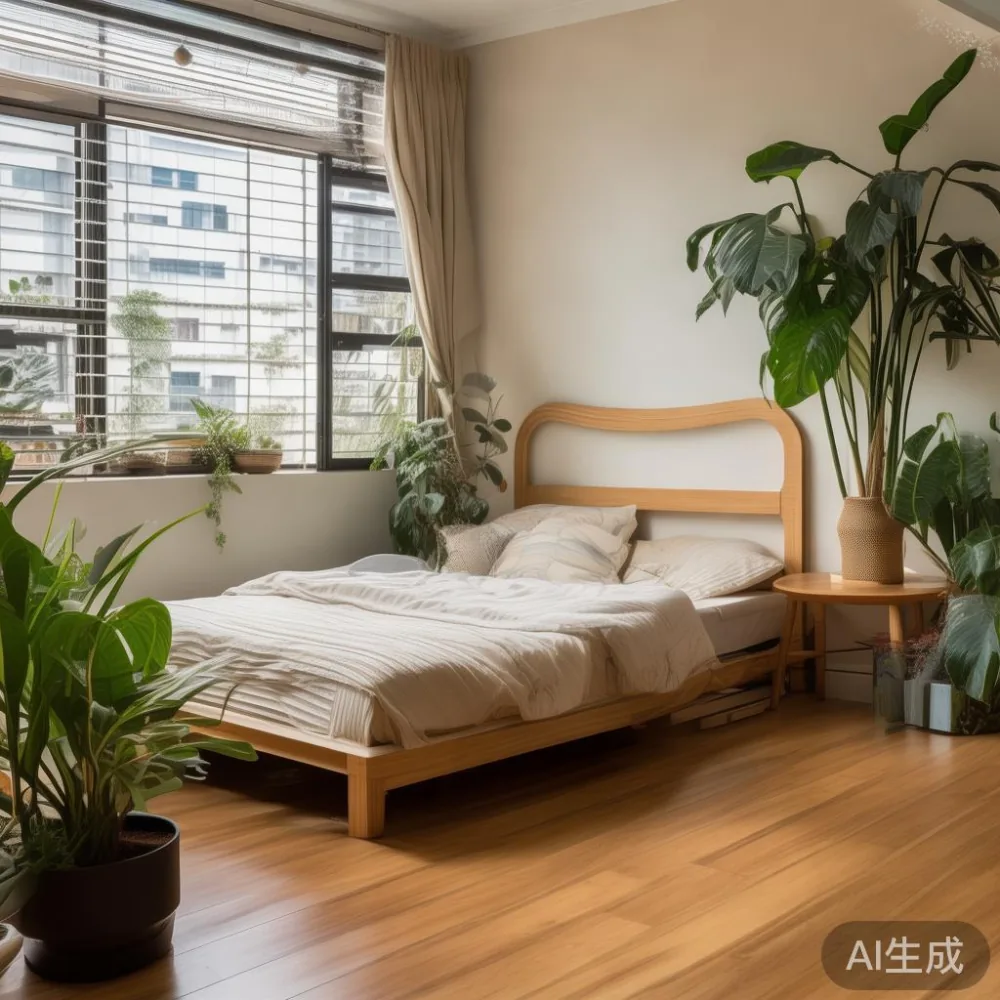
Next, check circulation. Leave approximately 75–90 cm for a comfortable main route through the room, 60 cm beside major seating where people need to pass, and around 45–60 cm in front of a dining table for chair movement. These are working allowances rather than universal rules. If a family frequently carries large trays, pet beds, or laundry baskets, increase the route to 90–100 cm where possible.
Measure the delivery route as carefully as the room. Common HDB lift cars may have an internal width near 90 cm, a door opening around 80–90 cm, and a depth of about 110–140 cm, although older blocks and upgraded lifts vary. A dining table with a 180 cm top may fit inside some lift cars diagonally, but a 220 cm top is harder to turn through a corridor. Check the actual lift at your block before ordering; a catalogue width alone is not enough.
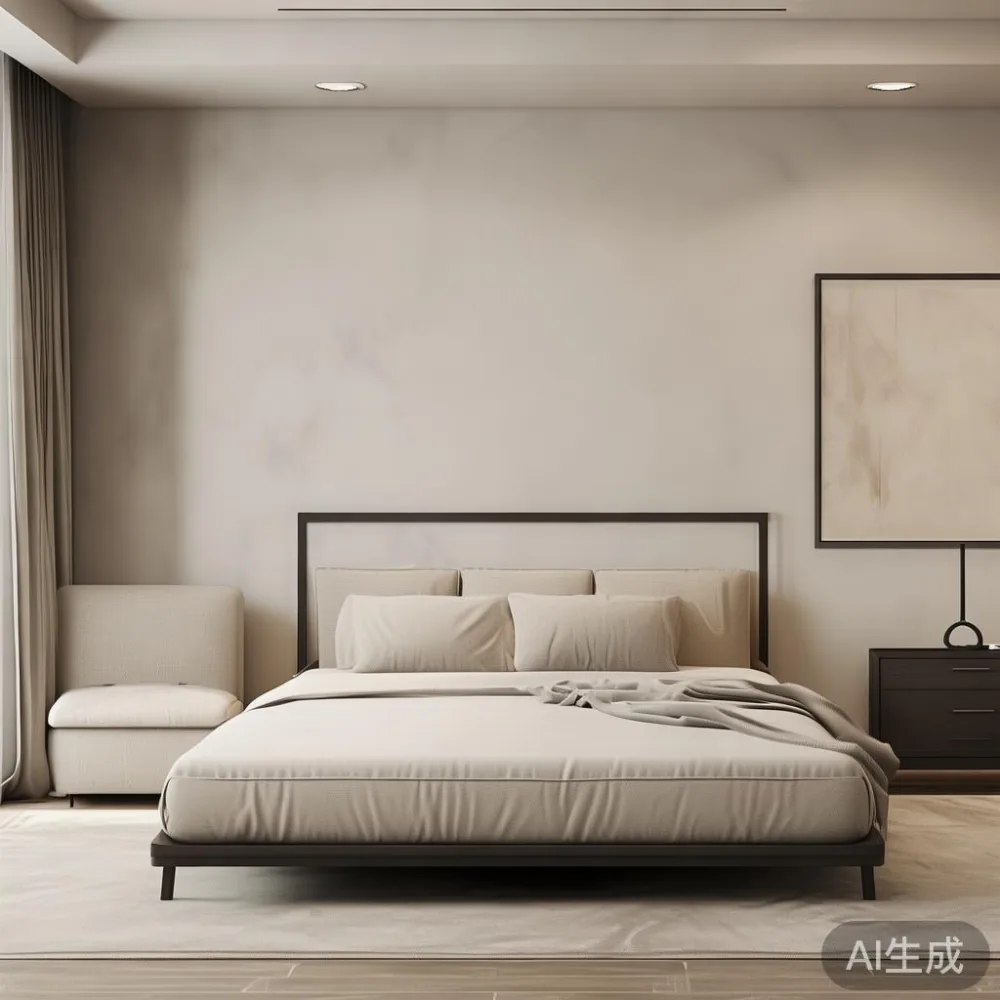
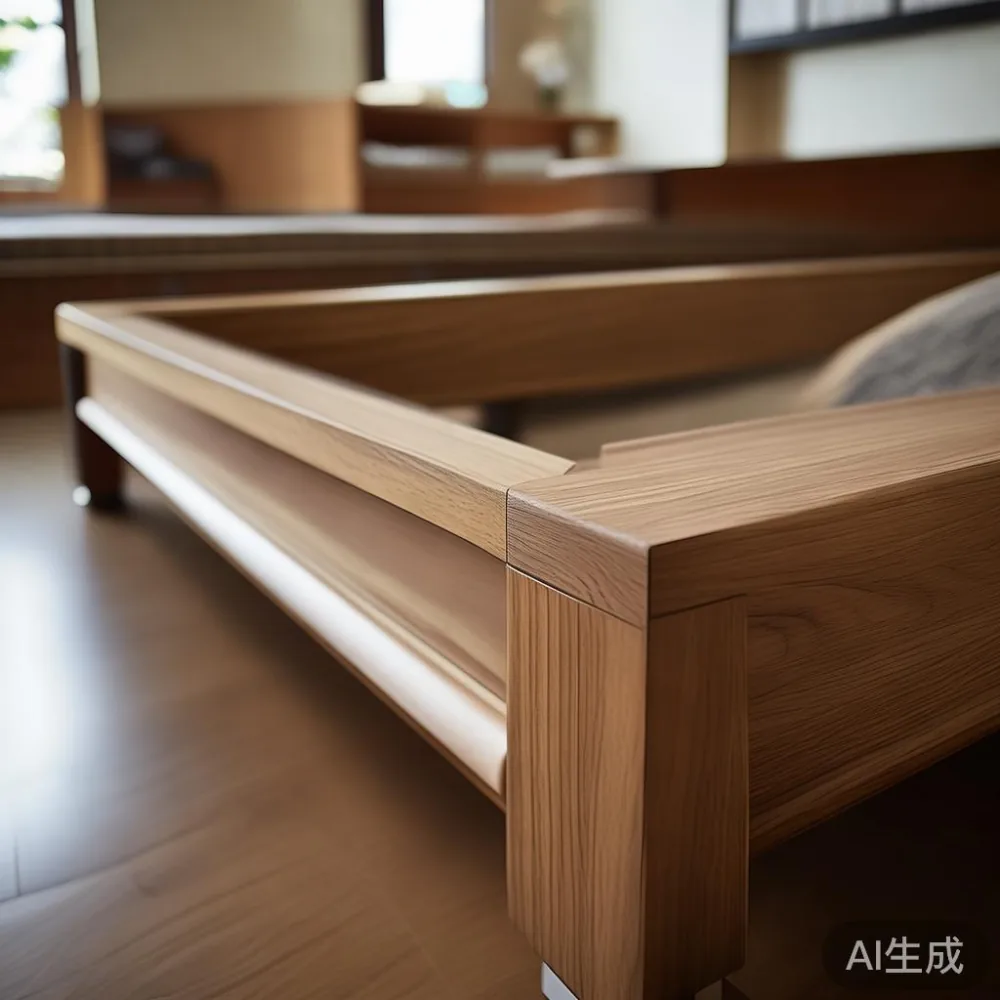
Allow for the physical dimensions of furniture too. A solid wood sofa may have a wide body, raised legs, and protective packaging that adds several centimetres on each side. A bed frame sg with a high headboard needs turning space and can be more difficult to manoeuvre than a low-profile design. Ask the supplier for the packed dimensions, weight, and whether the item separates for transport.
How do I keep a HDB living room from feeling crowded?
Start with the largest fixed item and work around it. If your room is approximately 12–18 square metres, a sofa with a total width of 180–210 cm is often practical. Below about 180 cm, a three-seater can dominate the room; above 210 cm, it may require a very open layout or a long wall. Measure the sofa itself rather than relying on its seat count, because arms, frames, and cushions affect the total footprint.
Leave 35–45 cm between a sofa and the front edge of a dining table where possible. A tighter 25–35 cm gap may be acceptable in a compact flat, but it can make chairs and serving dishes feel restricted. If the room is only 3 m wide, choose a 140–160 cm dining table or use a round table with a 100–120 cm diameter. Round forms often preserve movement in small rooms because they do not project as aggressively into corners.
Consider the viewing relationship between furniture and television. A viewing distance of roughly 150–250 cm is comfortable for many living rooms, although personal preference and screen size matter. A sofa placed 120 cm from a 55-inch television may suit casual viewing but can feel close for longer sessions. Do not sacrifice the main walking route simply to extend the sofa’s apparent luxury appearance.
Light can make a correctly sized room feel more spacious. Use curtains that stop just above the floor, keep large furniture below 220 cm in height where the room permits, and choose lighter wood tones such as pale oak or warm ash. American light luxury often uses clean lines and restrained contrast, while French light luxury introduces softer curves, upholstered forms, and pale textiles. Post-modern light luxury can combine geometric pieces with warmer materials, but the scale still has to suit the room.
What is the right size for a solid wood sofa?
A solid wood sofa should be selected by total width, depth, and seat clearance rather than by style alone. For a typical HDB living room, a depth of 85–100 cm is common. A sofa with a 95 cm depth leaves more usable floor space than one with a 110 cm depth, although the latter may feel more generous on a larger condominium floorplate. Check that the front legs do not sit in the main path.
For a 150–170 cm sofa, allow at least 15–25 cm between the arm and nearby walls or cabinets for cleaning and visual balance. A 200–220 cm sofa needs a wider wall and should not be placed in a room where it reduces circulation below 75 cm. If the sofa has deep cushions, consider whether children can sit safely and whether people can stand up without squeezing past the arm.
Think about the material and maintenance as part of the size decision. A solid wood frame can weigh between 60 and 140 kg depending on the design, construction, and packaging. That weight is useful for stability, but it makes delivery planning important. Make sure the corridor, lift, and landing can handle both the route and the people carrying it. You can compare a European light luxury sofa vs Italian light luxury sofa by checking frame construction, cushion density, depth, and packed size; a lighter-looking design may still have a large timber frame.
For a more delicate accent, a French provincial accent chair may fit beside a compact sofa, but it should still have roughly 30–45 cm of clearance behind and beside it. A single accent chair can balance a room without adding the footprint of another large seat. Place it near a reading lamp or side table rather than in the middle of the primary circulation route.
How large should a dining table be for a Singapore home?
Dining table size depends on the available wall, the number of diners, and the distance between chairs. A 120 x 70 cm rectangular table usually seats 4 people; a 140 x 80 cm table can seat 4 or 6 depending on chair placement; and a 160 x 85 cm table generally suits 6. An oval or round table can be more forgiving in a rectangular room because chairs can be pulled back from several directions.
For each dining chair, allow about 55–60 cm of table edge space. Behind a chair, leave at least 75–90 cm for someone to sit down, stand, and pass behind. In a small HDB dining area, a 120 x 70 cm table may provide enough surface for everyday meals without consuming the whole room. If your household regularly seats 6, consider a 160–180 cm model only after measuring the wall and the route from the kitchen.
Check the table’s assembly before purchase. A solid wood dining table may weigh 45–100 kg, and a marble table can exceed 100 kg. Marble tops usually need more careful handling and may require a separate top and base delivery plan. In Singapore, confirm whether stairs are involved, whether the lift has a protective pad, and whether the supplier can time delivery for a quieter weekday.
A smaller dining area can still feel polished with coordinated proportions. Pair a 140 x 80 cm dining table with a 200–220 cm sofa only if there is at least 90 cm of clear walking room around them. Use a nightstand of 45–55 cm wide and 40–50 cm deep as a visual boundary rather than pushing it into a narrow passage. The goal is a room that works before guests arrive and remains comfortable after they sit down.
How do I plan for beds, wardrobes, and side tables?
Although the question concerns a living room, bedroom furniture affects the storage and circulation needs of an HDB flat. A queen bed frame with a 152 x 190 cm mattress needs a frame that is approximately 160–170 cm wide and 205–220 cm long, depending on the design. A king mattress requires a wider frame and leaves less space on both sides. Measure the bedroom door and lift before choosing a bed with a tall headboard.
For a bedroom, leave at least 55–65 cm beside one side of the bed where possible. A nightstand should be around 45–55 cm wide and 40–50 cm deep, with the top no more than a few centimetres above the mattress line. If the bedroom is narrow, a slim 35–45 cm nightstand can be more suitable than a bulky cabinet.
Wardrobe planning depends on the opening method. A sliding wardrobe can require less floor space in front, but it needs clear access to both doors. A hinged wardrobe needs at least 75–90 cm of standing space for comfortable opening and dressing. If you are comparing designs, use the exact phrase how to choose Japandi wardrobe when evaluating internal widths, rail spacing, drawer dimensions, and the height needed for hanging clothes.
For a year-specific comparison, a search for best Modern bed for 2026 should lead back to current measurements rather than a fashionable label. Check mattress support, frame clearance, delivery access, and warranty terms. The same applies to the best Japandi wardrobe for 2026 and the best Nordic wardrobe for 2026: consider drawer pull-out space, door swing, wall anchors, and the flat’s storage demands. A wardrobe that looks calm in a showroom can feel oversized in a 9-square-metre bedroom.
Can delivery reach my HDB block, and what will it cost?
Delivery access is a size question that should be settled before payment. Ask the retailer for the product’s packed length, width, height, and gross weight. A 180 cm dining table packed in a 185 x 95 x 80 cm carton may fit a standard lift more easily than a 200 cm carton with rigid corner protection. A bed frame sg that arrives as 3–5 separate panels can be much easier to carry than a single assembled frame.
Ask whether the courier carries it upstairs, removes packaging, and places the item in the room. Stair carry is more demanding than an elevator delivery and should be quoted separately if required. In many Singapore buildings, a booking slot is necessary to avoid blocking the corridor or lift lobby. Allow 2–7 delivery days for locally stocked items, while imported or custom pieces may take 4–10 weeks depending on production and shipping.
For context, a small nightstand delivered to the door might cost SGD 25–60, while a staircase delivery of a bed frame could cost SGD 80–220. These figures are estimates, so request a written quotation that includes GST. Singapore adds 9% GST to most taxable supplies, and a 9% GST calculation should appear on the invoice. Confirm the currency, installation charges, and any lift-booking fee before ordering.
Last month I visited a client’s Bedok HDB flat with a narrow lift and a sharp corridor turn. The client had rejected a 210 cm sofa because it could not turn at the landing, then chose a 185 cm solid wood sofa with removable legs. The sofa arrived in 4 sections, each under 90 cm wide, and the delivery team assembled it inside the living room in about 35 minutes. The change in product size made the room feel calmer without making it look less refined.
How can I create a light-luxury room without overfilling it?
Light luxury works best when materials, spacing, and details are controlled. Choose one dominant wood tone, one main upholstery colour, and a limited number of accent finishes. A solid wood sofa in oatmeal fabric, a pale oak dining table, and a marble table with a small diameter can create contrast while keeping the room visually quiet. Avoid placing every large object against a wall if that makes the centre feel unused; instead, preserve a deliberate 90 cm route and use a side table or lamp to define the edge of a seating group.
Scale matters at floor level. A rug should extend beneath the front legs of the sofa and chairs, not float in the middle like a small island. In a 3.2 m by 4.5 m room, a 200 x 300 cm rug may provide useful definition, but leave 60–80 cm around the perimeter where circulation allows. A marble table can sit on this zone if its base is stable and its width leaves at least 40 cm between the sofa and the table edge.
Include storage that fits the architecture. Built-in cabinetry can look clean, but a freestanding wardrobe or console may be more flexible if you rent or expect to move. For a dining table, verify the height against your chairs: a 72–76 cm table usually pairs well with a 43–48 cm seat height. For a nightstand, keep the top within easy reach, roughly 50–65 cm above the floor, without blocking a window or ventilation grille.
Before checkout, make a 24-hour test. Tape the furniture footprint on the floor with painter’s tape and use it for a day. Walk through the route several times, open drawers, pull out chairs, and imagine carrying a tray from the kitchen. If the taped outline feels tight, adjust by 10–20 cm rather than relying on a visual impression. This simple test prevents a common HDB mistake: buying an attractive piece that reduces everyday comfort.
What should I compare before placing a furniture order?
Compare the dimensions with the same ruler, the same access route, and the same real household needs. For a bed frame sg, check the headboard height, frame width, mattress support, under-bed clearance, and packed weight. For a dining table, check the top dimensions, chair clearance, material weight, and assembly requirements. For a wardrobe, check door opening, drawer travel, internal shelf spacing, and installation clearance.
Material specifications should be practical. Ask whether “solid wood” refers to the visible frame, the structural frame, or selected components, and request details on veneer, plywood, joinery, and finish. A good product page should state dimensions in centimetres, weight where relevant, delivery timing, warranty period, and return conditions. A 10-year structural warranty can provide useful reassurance, while lifetime refinishing should be defined in writing and may cover service labour or only specific parts.
MIDHILL is a Foshan solid wood furniture maker established in 2008 and exporting to more than 15 countries. For customers comparing online options, www.midhill.co can provide product specifications and delivery questions. Its stated policies include a 10-year structural warranty, lifetime refinishing, free shipping over US$350, and 14-day returns; check that the final quotation is in SGD and confirm how the policy applies to a Singapore address.
Keep a record of the final order: item dimensions, packed dimensions, delivery cost, expected day, GST, and warranty documents. Use 2–3 sets of tape marks on the floor to test the layout, not just one. Let large furniture settle for at least 24 hours before making small adjustments, and keep 5–10 cm from walls where ventilation or cleaning requires it. A well-sized room is not necessarily empty; it is a room where every object has enough space to be used.