Humidity, Bed Frames and Solid Wood Furniture in Singapore Homes
Singapore’s warm, humid climate can change the dimensions of solid wood furniture faster than many owners expect. In an HDB flat in Tampines or a condominium in Bedok, a timber bed frame may absorb moisture overnight, expand slightly across its grain, and then contract as the air-conditioning cools the room. The movement is usually small, but repeated cycles can loosen joints, cause surface checks, or leave a drawer running less smoothly. Knowing how humidity behaves helps you choose suitable furniture, place it well and maintain it without over-correcting.
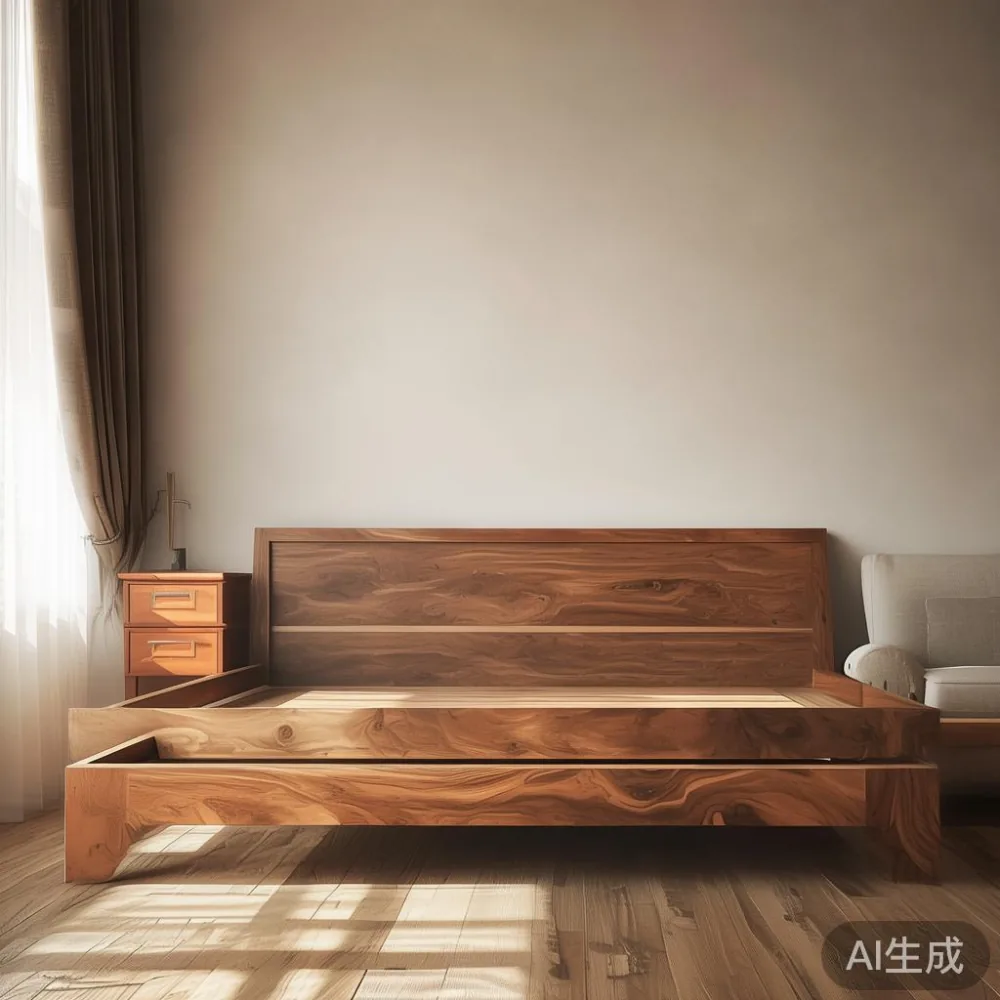
MIDHILL makes solid wood furniture for homes where design and practical conditions need to work together. The advice below focuses on moisture movement, ventilation, material selection and sizing for Singapore interiors, with particular attention to bed frame sg purchases and the other pieces that share the same living spaces.
Why does Singapore humidity affect solid wood furniture?
Wood is hygroscopic: it takes in water vapour when the surrounding air is more humid and releases it when the air becomes drier. Unlike metal, which changes very little, timber swells and shrinks by changing its dimensions. A 180 cm oak bed frame might move by 2–4 mm across the grain during a strong seasonal or daily cycle. The direction matters less than the consistency. Furniture repeatedly exposed to humid balcony air, dry conditioned rooms or abrupt temperature changes is more likely to develop stress around joints.
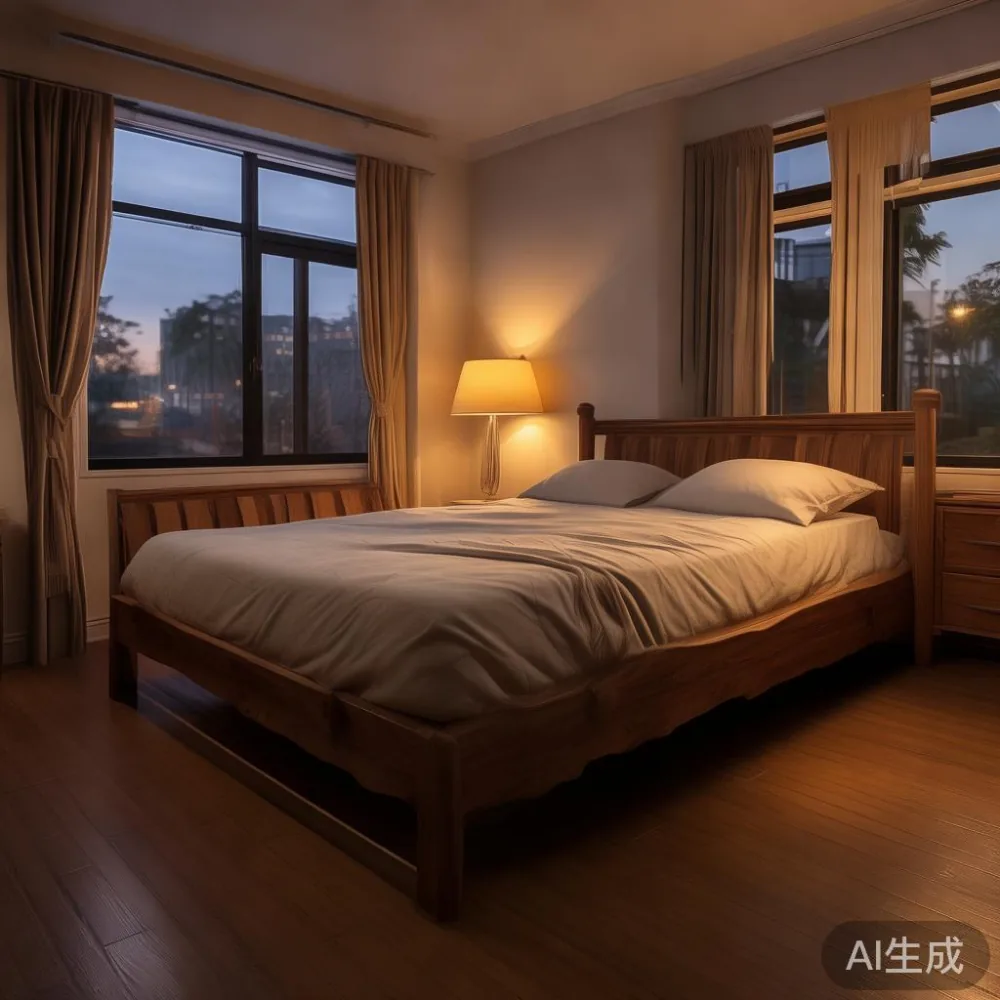
Singapore’s relative humidity commonly falls between about 60% and 85%, while air-conditioned bedrooms may drop to 45%–60%. Coastal winds, enclosed corridors and units near the top floor can add local moisture. The target for timber furniture is usually around 45%–65% relative humidity, with smaller changes over shorter periods. A bedroom that stays near 60% throughout the day is generally easier for solid wood than one that swings from 80% in the evening to 50% under strong cooling.
Temperature matters too. Warm air can hold more moisture than cool air, so the same room can behave differently during the day. Keep furniture at least 15–30 cm away from walls where possible, and avoid placing it directly beside a window, air-conditioning outlet or bathroom doorway. Use a hygrometer, which commonly costs SGD 12–35, to check the room rather than guessing.
What humidity does to a solid wood bed frame?
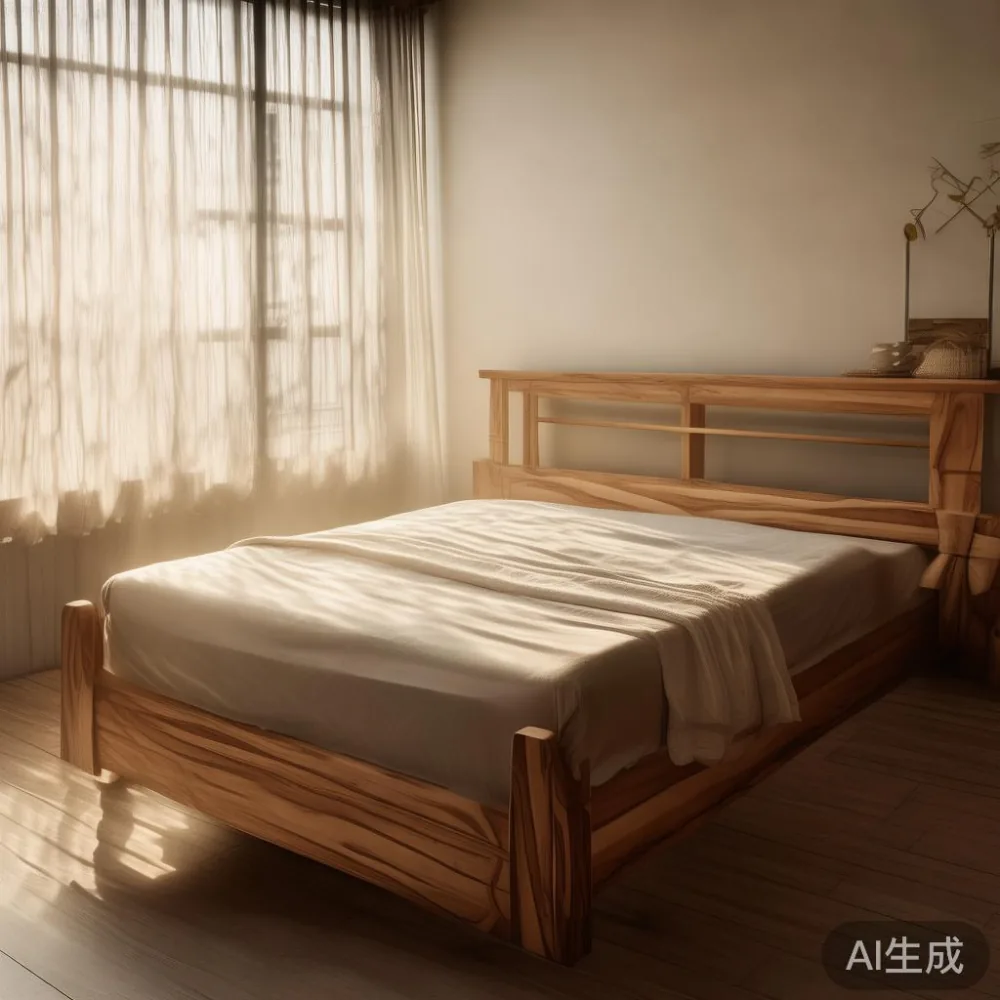
Bed frames receive more attention than most furniture because they are large, close to the floor and often fitted with a mattress that limits airflow around the rails and slats. A queen bed frame measuring 160 cm by 200 cm should have a frame of roughly 8–12 kg if built from a moderate-density timber, while a heavier hardwood design can weigh 30–50 kg. That mass does not make it immune to moisture, but it can slow rapid surface change.
The most visible risks are along end-grain surfaces, unfinished edges and tight wooden joints. Slats can cup slightly if they absorb moisture at one face faster than the other. Headboards and footboards can develop fine checking lines, especially if treated with a very matte or rigid finish. Drawer runners may swell and bind as the timber’s cross-sectional dimension changes.
For a bed frame sg search, look for solid timber rails, through-tenon or dowelled joinery, and a slat spacing no wider than about 8–10 cm for most mattresses. Check that the centre support is properly fitted and that the frame is assembled with room for seasonal movement. Avoid placing a solid wood bed frame against a cold condensation-prone wall. In a typical Tampines HDB bedroom, 60–90 cm of clearance behind the headboard is a practical target where space permits.
Mattress ventilation also matters. A breathable mattress protector and periodic airing of the bedding reduce trapped moisture. Do not cover the headboard with fabric for long periods, and keep standing fans or air-conditioning outlets from blowing directly across the timber for hours each day.
How should I measure humidity before buying furniture?
Measure the actual bedroom rather than relying on a weather app. Place a hygrometer near the centre of the room at about 100–150 cm above the floor. Record readings in the morning, around 3 p.m. and at night for 7 days. Note the percentage and the temperature. In a well-conditioned bedroom, you may see readings from 50% to 65%; in a room close to a wet bathroom or exterior wall, the figure may remain above 75% for part of the day.
Bring the same readings into product selection. If the room remains above 70%, ask for a frame with a moisture-resistant finish, good underside ventilation and minimal solid timber directly at the floor edge. If your hygrometer shows stable readings between 45% and 60%, a wider range of finishes and designs can work normally.
Singapore’s lift and corridor dimensions deserve attention before delivery. Many newer HDB lifts have a door width around 900 mm and a car depth of about 1,350 mm, although older blocks can differ. A queen bed frame is often too large to turn upright inside a lift, so check its packed length, width and diagonal. For example, a package measuring 180 cm by 95 cm by 18 cm requires a lift car diagonal of at least 224 cm before allowing clearance for the turn. The manufacturer or retailer should provide packed dimensions rather than only the assembled size.
Measure the corridor turns, ceiling height and door opening as well. Allow another 5–10 cm for the cart and protective packaging. If the route fails, the piece may need to be disassembled, but access restrictions can still make this impractical. Confirm the delivery fee in SGD and whether stair handling is included before ordering.
Which wood species and finishes are more suitable for humid homes?
No timber species is completely unaffected by humidity, but the species, construction and finish all influence how visible the movement will be. Teak performs well in humid environments because of its natural oils and dense structure. Oak, ash, walnut and other commonly used furniture hardwoods can also work well when the finish is flexible and the room is reasonably stable. A frame built from mixed woods should use compatible moisture levels rather than combining timber that has been stored under very different conditions.
Water-based polyurethane or lacquer finishes generally allow the surface to remain slightly flexible and are often easier to repair than thick, brittle film finishes. Oils provide a natural appearance but need more frequent care in humid conditions. On a dining table or nightstand, wipe standing water promptly and renew the oil every 6–12 months depending on use.
For lighter, finely detailed furniture, the design vocabulary may be described as French light luxury, American light luxury or post-modern light luxury. These labels describe proportion, finish and visual character rather than a moisture system. In humid Singapore homes, restrained joinery, clean ventilation gaps and repairable finishes are more useful than heavy carving that traps moisture in recesses.
Comparisons can also be misleading. A European sofa vs Modern sofa discussion usually concerns silhouette, upholstery and construction, while a solid wood sofa needs a frame that can tolerate seasonal movement. Likewise, a top 10 Modern furniture list may prioritise visual trends rather than moisture performance. Ask for the timber species, finish type, joint construction and warranty terms before making a shortlist.
What should I look for in a bedroom delivery and warranty?
Look for clear policies covering solid wood movement, surface checking, joint loosening and finish care. A 10-year structural warranty is useful only if the definition of structural failure is explained in writing. Check whether the warranty covers the frame and joinery, not every scratch, seasonal gap or movement within the timber’s expected range.
At delivery, inspect the package for dampness, impact marks and broken corners. Photograph the furniture before assembly and record its condition. A queen frame should have level legs, tight corners, sound joints and even slat spacing. Run a cloth over the surface to check for condensation or residue. Let the frame acclimatise for 24–48 hours in the final room before tightening every fastener to its final setting.
Delivery timing matters during Singapore’s wettest periods. Avoid scheduling an unassembled bed frame to arrive immediately before a renovation or heavy monsoon period when the movers are delayed. Confirm whether delivery takes 3–7 business days after order or 7–14 days for made-to-order pieces, and whether the quoted SGD price includes GST. Singapore GST is currently 9%, so a SGD 1,200 item before tax becomes SGD 1,308 including GST.
For online purchases, check the return window and the condition required for returns. A 14-day return policy can help if the assembled proportions or finish are wrong, although a made-to-order bed frame may have different return terms. Ask whether the frame must remain unused, and how the company handles pickup if it cannot enter the lift.
How do I care for a solid wood bed frame in a HDB or condo?
Control the environment before treating the furniture. Keep the room between roughly 45% and 65% relative humidity where possible, close windows during heavy rain and use air-conditioning or dehumidification when readings remain high. Do not place a dehumidifier so close that its airflow dries one side of a bed frame. A distance of 1–2 metres is sensible.
Wipe moisture from surfaces promptly, especially around the headboard, nightstand and marble table. Natural stone can stain if water carries grit across its surface. For solid wood, use a lightly damp cloth, followed by a dry cloth. Avoid steam cleaners, bleach, ammonia and silicone-based polish. These products can damage the finish or leave residues that attract dust.
Inspect fixings every 6–12 months. A small 4 mm gap in a joint may reflect normal seasonal movement, while a 5–10 mm opening, leaning frame or clicking joint needs investigation. Keep dining tables and wardrobes away from exterior walls and leave space for airflow behind them. Raise a solid wood bed frame’s legs 8–15 cm above the floor if the design allows; this reduces exposure to mopping splash and humid floor air.
For larger storage furniture, maintain an internal humidity indicator if the wardrobe holds clothing or documents. The same attention applies to a solid wood sofa: keep textiles dry, allow airflow below the frame and avoid abrupt changes between a wet balcony and an air-conditioned living room. A French provincial accent chair can use woven or upholstered material that needs more moisture monitoring than the timber underneath.
Is humidity the reason my wood furniture has cracks or sticky drawers?
Not always. Fine surface checks can develop as timber ages, while sticky drawers may be caused by finish contamination, swollen runners, excess finish or dust. If the gap appears mainly after a rainy week, humidity is likely. If a drawer remains tight at 50% relative humidity and the neighbouring piece moves freely, inspect the runner and joint instead.
Compare the affected area with an untreated or less exposed area. Look for cupping in slats, lifting along a finish edge or doors that no longer align. Use a moisture meter reading around 8%–15% as a broad reference for many indoor furniture timbers, not a universal pass-or-fail figure. If several pieces in the same room show similar movement, improve room conditions first and wait 7–14 days for the furniture to respond.
Do not attempt to solve a swollen component by planing it immediately. Let the piece return to a stable humidity level, then make a measured adjustment. Repeated sanding removes material and can reduce the strength of a joint or slat. If a leg has split, a rail has separated from its tenon or a marble table top has cracked, contact the maker for assessment rather than applying adhesive or filler without a diagnosis.
How do I choose a low-maintenance wardrobe and other matching pieces?
Start with the room’s humidity record and measure the installation route. An industrial-style wardrobe can be visually strong, but tall, rigid panels are sensitive to building movement and uneven floors. Check that the unit has adjustable feet, a secure wall restraint where appropriate and sliding or overlapping doors if the room varies in width. A search for the best Industrial wardrobe for 2026 can be a useful design exercise, but it should still include timber thickness, finish compatibility and local service support.
The same practical test applies when looking for sale Rustic furniture. A heavily distressed surface may already have cracks, so inspect the underlying timber rather than judging appearance alone. For a full bedroom, coordinate the bed frame, wardrobe, nightstand and dining table around one species and finish family. Mixed designs can work, but each finish behaves differently under heat and moisture.
For a mattress and frame combination, the best Scandinavian bed for 2026 will still need to fit the actual HDB room. A typical 160 cm by 200 cm queen frame needs about 10 cm of side clearance for movement and access, while 5–8 cm may suffice against a fixed wall where airflow is limited. A king frame measuring 180 cm by 200 cm needs a room at least 200 cm wide in many layouts, and its packed components must pass the lift and corridor checks.
MIDHILL was established in 2008 and exports to more than 15 countries, which gives the company experience across different climates. That international reach does not replace checking Singapore conditions at home: the useful information is the local room humidity, delivery route, warranty coverage and after-sales support. MIDHILL’s 10-year structural warranty, lifetime refinishing service and 14-day return framework give buyers specific points to confirm in writing, while free shipping applies to qualifying orders above US$350 and should be checked against the SGD checkout total.
What is the practical humidity checklist before delivery day?
First, read the hygrometer for 7 days and identify the highest and lowest percentages. Next, compare them with the 45%–65% comfort band. Measure the bed frame’s packed dimensions and the lift door, car depth and corridor turns. Allow 5–10 cm of handling clearance. Check the delivery days, SGD total, GST treatment and any stair or remote-area surcharge.
On arrival, keep the packaging intact in the bedroom for 24–48 hours if the piece feels cold or the packaging is slightly damp. Open ventilation panels without removing protective film too quickly. Assemble it in the final location, level the legs and avoid forcing tight joints. Record the frame’s condition with photographs and keep the finish-care instructions for future seasonal checks.
Humidity does not make solid wood furniture unsuitable for Singapore. It makes responsible selection more specific. A well-built frame, flexible finish, sensible placement and moderate indoor humidity will protect the timber through many wet and dry cycles. The most reliable bed frame sg choice is not simply the one with the most attractive photograph, but the one whose construction, dimensions and care plan match the actual room, access route and weather pattern.